Peak Bagging in England
England’s mountains may not match Scotland for height or Wales for drama, but they offer some of the most varied and rewarding peak bagging in the UK. From rocky Lake District fells and classic ridges to vast moorland plateaus and limestone summits, England is ideal for building experience and variety into your peak-bagging journey.
This list brings together England’s essential peaks — mountains that define their regions and represent milestones for walkers at different stages.
What Makes a Peak “Essential” in England?
Every peak on this list meets several of the following criteria:
- It represents its region particularly well
- It offers a distinctive ascent or summit experience
- It is culturally, historically, or geographically significant
- It contributes meaningfully to a peak bagger’s progression
- It is consistently regarded as a classic day in the hills
This is not a list of every high point, nor just the hardest ascents. It’s a foundation list for peak bagging in England.
How to Use This List
You can approach these peaks in whatever way suits you:
- Work through them region by region
- Start with easier peaks and build confidence
- Focus on classics first, then quieter summits
- Bag peaks seasonally throughout the year
There’s no rush. These peaks are best enjoyed as part of a long-term journey.
England’s Essential Peaks (By Region)
Lake District
England’s most mountainous region, home to the country’s highest and most iconic peaks.
1. Scafell Pike
- Height: 978m
- Why it’s essential: England’s highest peak and a true rite of passage.
- Typical time to summit: 5–7 hours
- Difficulty: Moderate
2. Helvellyn
- Height: 950m
- Why it’s essential: Famous ridges and a vast summit plateau.
- Typical time to summit: 5–7 hours
- Difficulty: Moderate to Challenging
3. Skiddaw
- Height: 931m
- Why it’s essential: A dominant fell with wide-reaching views.
- Typical time to summit: 4–6 hours
- Difficulty: Moderate
4. Great Gable
- Height: 899m
- Why it’s essential: Steeped in climbing and walking history.
- Typical time to summit: 5–7 hours
- Difficulty: Moderate
5. Blencathra
- Height: 868m
- Why it’s essential: Sharp ridges and classic scrambling options.
- Typical time to summit: 4–6 hours
- Difficulty: Moderate to Challenging
6. Bowfell
- Height: 902m
- Why it’s essential: Central Lakeland views and rugged terrain.
- Typical time to summit: 5–7 hours
- Difficulty: Moderate
7. Pillar
- Height: 892m
- Why it’s essential: Remote, rugged and deeply atmospheric.
- Typical time to summit: 6–8 hours
- Difficulty: Challenging
Peak District
Lower in height, but rich in history and wild plateau walking.
8. Kinder Scout
- Height: 636m
- Why it’s essential: The Peak District’s highest point and historic heart.
- Typical time to summit: 4–6 hours
- Difficulty: Moderate
9. Mam Tor
- Height: 517m
- Why it’s essential: Short, accessible and hugely rewarding.
- Typical time to summit: 2–3 hours
- Difficulty: Easy
10. Bleaklow
- Height: 633m
- Why it’s essential: Remote-feeling plateau and navigation challenge.
- Typical time to summit: 5–7 hours
- Difficulty: Moderate
Yorkshire Dales
Limestone landscapes, wide horizons and classic Three Peaks.
11. Ingleborough
- Height: 723m
- Why it’s essential: A dramatic limestone summit.
- Typical time to summit: 4–5 hours
- Difficulty: Moderate
12. Pen-y-ghent
- Height: 694m
- Why it’s essential: Short, steep and iconic.
- Typical time to summit: 3–4 hours
- Difficulty: Moderate
13. Whernside
- Height: 736m
- Why it’s essential: The highest of the Yorkshire Three Peaks.
- Typical time to summit: 4–5 hours
- Difficulty: Moderate
14. Great Shunner Fell
- Height: 716m
- Why it’s essential: Vast summit and huge views.
- Typical time to summit: 5–6 hours
- Difficulty: Moderate
North Pennines
Wild, high moorland and some of England’s most remote terrain.
15. Cross Fell
- Height: 893m
- Why it’s essential: England’s highest peak outside the Lake District.
- Typical time to summit: 5–7 hours
- Difficulty: Moderate
16. High Cup Nick
- Height: 656m (rim)
- Why it’s essential: One of England’s most dramatic landscapes.
- Typical time to summit: 4–6 hours
- Difficulty: Moderate
Cheviots
Remote, rolling hills on the English–Scottish border.
17. The Cheviot
- Height: 815m
- Why it’s essential: A remote-feeling summit with big skies.
- Typical time to summit: 5–7 hours
- Difficulty: Moderate
South West (Dartmoor & Exmoor)
Granite tors and expansive moorland landscapes.
18. High Willhays
- Height: 621m
- Why it’s essential: The highest point in southern England.
- Typical time to summit: 3–4 hours
- Difficulty: Easy to Moderate
19. Yes Tor
- Height: 619m
- Why it’s essential: Rugged, rocky and full of character.
- Typical time to summit: 3–4 hours
- Difficulty: Moderate
20. Dunkery Beacon
- Height: 519m
- Why it’s essential: Exmoor’s highest point with coastal views.
- Typical time to summit: 3–4 hours
- Difficulty: Easy to Moderate
Difficulty & Progression Notes
England is an excellent place to build peak-bagging confidence, but conditions still matter. Many of these peaks involve long days, exposed terrain, or navigation challenges — particularly in poor weather or winter conditions.
Choose routes that suit your experience and always plan accordingly.
Track Your Progress with Peaky Baggers
Log England’s essential peaks, track what you’ve bagged, and plan where to go next — all in one place with Peaky Baggers.
Final Thought
England’s peaks may be modest in height, but they offer some of the most rewarding and characterful peak bagging in the UK. Master these, and you’ll have a strong foundation for any mountain adventure that follows.
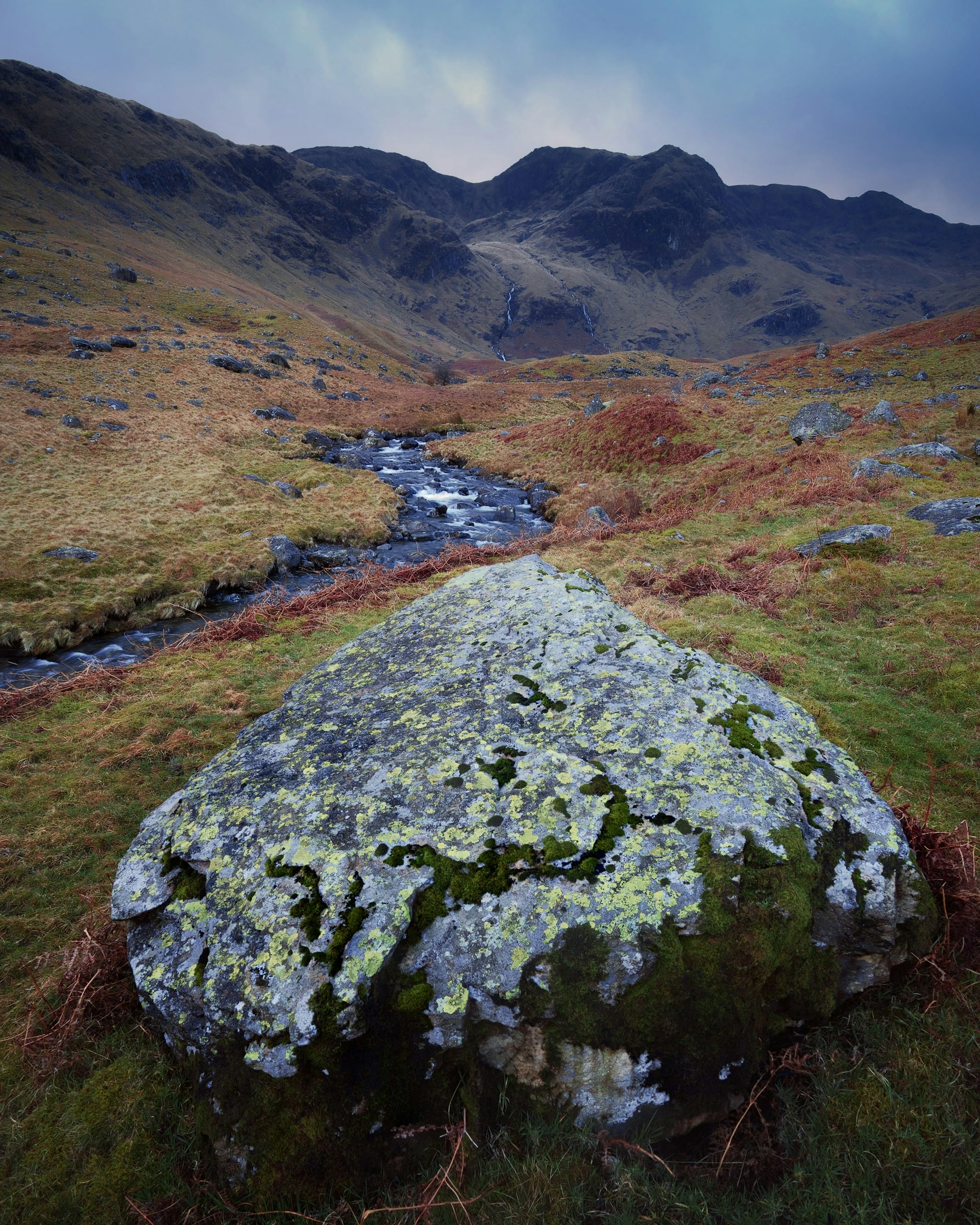
Photo by George Bannister on Unsplash