Peak Bagging in the Peak District
The Peak District doesn’t shout with height, it speaks through shape, texture and horizon. Here, peak bagging is less about metres climbed and more about understanding a landscape carved by gritstone edges, peat plateaus and sculpted limestone hills.
This list brings together the essential Peak District summits: places that define the National Park’s character, reward repeat visits, and build a rounded understanding of England’s most accessible upland.
What Makes a Peak “Essential” in the Peak District?
In a landscape without alpine mountains, “essential” means something different. The peaks below earn their place by combining:
- Distinctive skyline or landform
- Geological character (gritstone vs limestone)
- Cultural or historical significance
- Quality of views and walking experience
- A role in telling the Peak District’s story
Height helps, but identity matters more.
How to Use This List
- There’s no right order, dip in by area or terrain
- Most peaks fit comfortably into half-day or day walks
- Mix Dark Peak moorland with White Peak limestone for contrast
- Revisit peaks in different seasons, they change dramatically
The Essential Peak District Peaks
Dark Peak – Moorland & Plateaus
Wide horizons, peat underfoot and a sense of space.
Kinder Scout
- Height: 636m
- Area: Dark Peak
- Why it’s essential: The highest point in the Peak District and its wild heart.
- Typical time: 5–7 hours
- Difficulty: Moderate
- Terrain: Plateau and edges
- Route style: Circular
Kinder Scout defines Peak District walking, navigation, weather and scale all matter here.
Bleaklow
- Height: 633m
- Area: Dark Peak
- Why it’s essential: Vast, remote-feeling moorland with big-sky atmosphere.
- Typical time: 6–8 hours
- Difficulty: Moderate to Challenging
- Terrain: Peat plateau
- Route style: Circular or linear
Bleaklow is quieter than Kinder and feels surprisingly serious in poor conditions.
Black Hill
- Height: 582m
- Area: Dark Peak
- Why it’s essential: A symbolic watershed between counties and landscapes.
- Typical time: 4–6 hours
- Difficulty: Moderate
- Terrain: Moorland ridge
- Route style: Linear or circular
Gritstone Edges
Short ascents, long views and iconic walking.
Stanage Edge
- Height: 458m
- Area: Dark Peak / Eastern Edges
- Why it’s essential: The most famous edge in the Peak District.
- Typical time: 2–4 hours
- Difficulty: Easy
- Terrain: Gritstone edge
- Route style: Out-and-back or circular
Stanage delivers immediate reward — huge views for minimal effort.
Bamford Edge
- Height: 424m
- Area: Dark Peak
- Why it’s essential: One of the best sunset viewpoints in the park.
- Typical time: 2–3 hours
- Difficulty: Easy
- Terrain: Gritstone edge
- Route style: Out-and-back
Curbar Edge
- Height: 371m
- Area: Eastern Edges
- Why it’s essential: Expansive views and classic edge walking.
- Typical time: 3–4 hours
- Difficulty: Easy
- Terrain: Gritstone edge
- Route style: Linear or circular
Froggatt Edge
- Height: 371m
- Area: Eastern Edges
- Why it’s essential: Flowing edge walks with woodland contrast.
- Typical time: 3–4 hours
- Difficulty: Easy
- Terrain: Gritstone edge
- Route style: Circular
White Peak – Limestone Hills
Steep-sided valleys, sculpted ridges and striking shapes.
Chrome Hill
- Height: 425m
- Area: White Peak
- Why it’s essential: The Peak District’s most distinctive hill shape.
- Typical time: 2–4 hours
- Difficulty: Moderate
- Terrain: Limestone ridge
- Route style: Circular
Chrome Hill feels alpine despite its modest height.
Parkhouse Hill
- Height: 360m
- Area: White Peak
- Why it’s essential: Steep, dramatic and unforgettable.
- Typical time: 2–3 hours
- Difficulty: Moderate
- Terrain: Limestone ridge
- Route style: Out-and-back
Short, sharp and full of character.
Thorpe Cloud
- Height: 287m
- Area: White Peak
- Why it’s essential: Iconic cone above Dovedale.
- Typical time: 1–2 hours
- Difficulty: Easy
- Terrain: Limestone hill
- Route style: Out-and-back
Central & Southern Peaks
Shining Tor
- Height: 559m
- Area: South West Peak
- Why it’s essential: The highest point in Cheshire with wide views.
- Typical time: 3–5 hours
- Difficulty: Easy to Moderate
- Terrain: Open moorland
- Route style: Circular
Mam Tor
- Height: 517m
- Area: Hope Valley
- Why it’s essential: One of the most recognisable hills in England.
- Typical time: 2–4 hours
- Difficulty: Easy
- Terrain: Ridge
- Route style: Circular
Mam Tor proves that accessibility and drama can coexist.
Difficulty & Progression Notes
- Moorland plateaus demand navigation skills
- Edges are exposed in wind and weather
- Limestone ridges can be steep and slippery
- “Easy” days can still be serious in poor conditions
The Peak District rewards awareness as much as fitness.
Peak District Peaks vs Mountain Peak Bagging
Days here are shorter, but:
- Shelter is limited
- Weather exposure is real
- Navigation matters year-round
It’s a superb training ground for bigger mountain areas — and a destination in its own right.
Best Time of Year to Bag Peak District Peaks
- Spring & autumn: Clear air and strong contrast
- Summer: Long days, busy edges
- Winter: Atmospheric, often icy
- Early starts: Quieter and more rewarding
Track Peak District Peaks with Peaky Baggers
Log Peak District peaks, track edges and hills, and build a complete picture of your English peak bagging journey with Peaky Baggers.
Final Thought
The Peak District doesn’t rely on height to impress. Bag these essential peaks and you’ll experience a landscape defined by contrast, character and quiet confidence — one that rewards curiosity as much as effort.
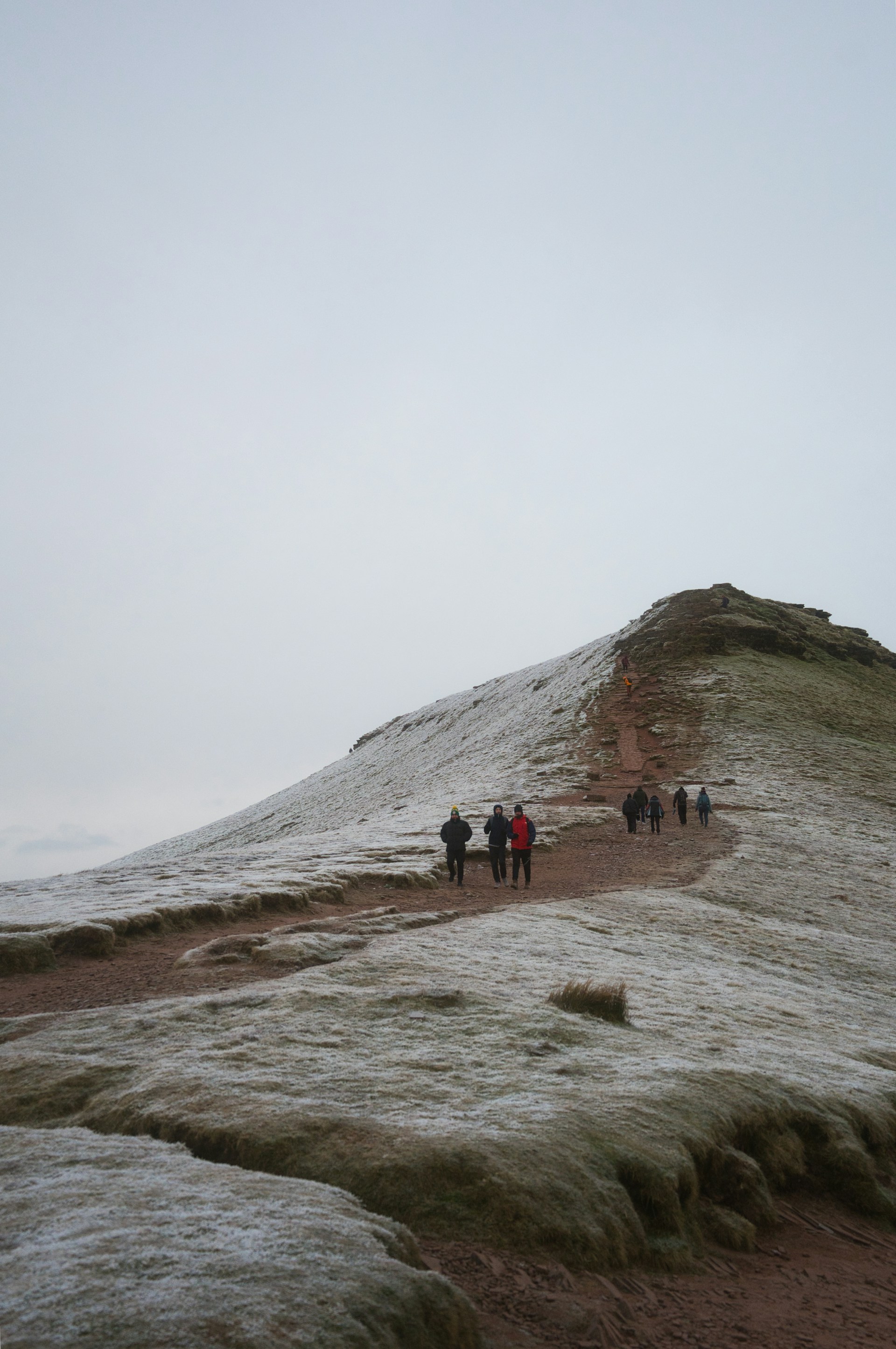
Photo by Greg Willson on Unsplash

.avif)
.jpg)
