What Makes a Peak “Essential” in Snowdonia?
A Snowdonia peak earns its place on an essential list if it offers at least one of the following:
- Cultural or historic significance
- Distinctive terrain (ridges, scrambling, plateaus)
- A defining Snowdonia experience
- A mountain that shapes confidence and skill
- A summit that most baggers remember clearly
Essential doesn’t mean easiest. It means meaningful.
How to Use This List
This isn’t a checklist to rush through.
- Peaks range from approachable to serious
- Conditions matter more here than in many other UK ranges
- Several peaks are best revisited by different routes
- Scrambling is common, but rarely unavoidable
- Snowdonia rewards patience and planning
Track progress, but let experience lead the pace.
Snowdonia’s Essential Peaks
Yr Wyddfa (Snowdon)
- Height: 1,085m
- Area: Snowdon Massif
- Why it’s essential: The highest peak in Wales and a cultural icon.
- What makes it unique: Multiple routes ranging from tourist paths to classic scrambles.
- Typical time to summit: 5–7 hours
- Difficulty: Easy to Challenging (route dependent)
Tryfan
- Height: 918m
- Area: Glyderau
- Why it’s essential: Britain’s most famous scrambling mountain.
- What makes it unique: Hands-on terrain from start to finish and a legendary summit.
- Typical time to summit: 4–6 hours
- Difficulty: Challenging / Scrambling
Glyder Fawr
- Height: 1,001m
- Area: Glyderau
- Why it’s essential: A vast, surreal summit plateau.
- What makes it unique: Boulder-strewn terrain that feels almost alpine.
- Typical time to summit: 5–7 hours
- Difficulty: Moderate to Challenging
Carnedd Llewelyn
- Height: 1,064m
- Area: Carneddau
- Why it’s essential: One of the wildest, most remote-feeling peaks in Wales.
- What makes it unique: Huge scale, big skies, and long approaches.
- Typical time to summit: 6–9 hours
- Difficulty: Moderate (serious due to remoteness)
Cadair Idris
- Height: 893m
- Area: Cadair Idris Range
- Why it’s essential: A classic southern Snowdonia mountain with legend and drama.
- What makes it unique: Steep northern cliffs and a beautiful summit bowl.
- Typical time to summit: 4–6 hours
- Difficulty: Moderate
Moel Siabod
- Height: 872m
- Area: Moel Siabod Range
- Why it’s essential: Often a first serious Snowdonia peak.
- What makes it unique: Outstanding views of Snowdon without the crowds.
- Typical time to summit: 4–6 hours
- Difficulty: Moderate
Pen yr Ole Wen
- Height: 978m
- Area: Carneddau
- Why it’s essential: A direct introduction to Carneddau scale and seriousness.
- What makes it unique: Steep ascent followed by vast upland terrain.
- Typical time to summit: 5–7 hours
- Difficulty: Moderate to Challenging
Y Garn
- Height: 947m
- Area: Glyderau
- Why it’s essential: A perfect stepping stone into higher, rougher terrain.
- What makes it unique: Strong ridges and excellent route choices.
- Typical time to summit: 4–6 hours
- Difficulty: Moderate
How Snowdonia Differs from the Lake District
If you’re used to the Lakes, Snowdonia will feel like a step up:
- More exposure and scrambling
- Fewer easy escape routes once committed
- Wetter, windier conditions
- Navigation is more demanding in mist
- Mistakes feel more consequential
That’s not a reason to avoid Snowdonia — it’s why so many baggers fall in love with it.
Common Misconceptions About Snowdonia Peaks
- “Snowdon is the only one that matters.”
- “If you’ve done the Lakes, Snowdonia is easy.”
- “Scrambling is unavoidable everywhere.”
- “You need technical climbing skills.”
In reality, Snowdonia offers a wide spectrum of difficulty — but it rewards preparation more than bravado.
Track Your Snowdonia Peaks with Peaky Baggers
Log Snowdonia’s essential peaks, track your progress, and plan your Welsh mountain days with Peaky Baggers.
Final Thought
Snowdonia’s essential peaks don’t just test your legs, they sharpen judgement, build confidence, and leave a lasting impression. These are mountains that teach you how to move, how to think, and how to respect the landscape.
Bag them thoughtfully, and they’ll stay with you far longer than the summit selfie.
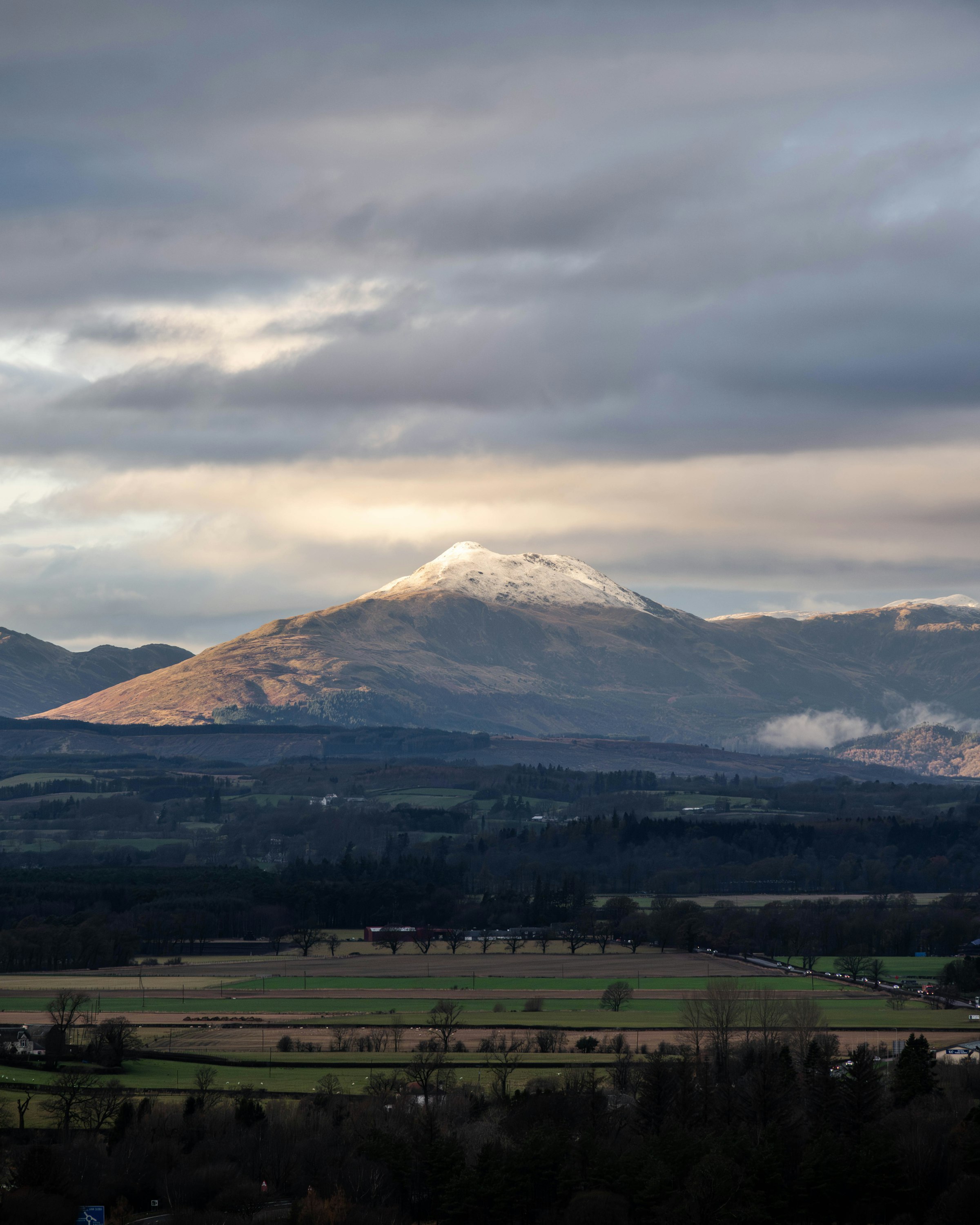
Photo by Neil Mark Thomas on Unsplash