Finding Quiet Peaks in the Lake District
The Lake District is one of the most visited national parks in the UK, and its most famous peaks can feel busy year-round. But solitude hasn’t disappeared — it’s simply shifted away from the obvious honeypots.
If you’re willing to walk a little further, start a little earlier, or look beyond the best-known names, the Lake District still offers quiet, spacious and deeply rewarding peak bagging. This list focuses on fells that remain consistently quieter than their more famous neighbours, without sacrificing quality or character.
What Makes a Peak “Quiet”?
Every peak on this list shares several of the following traits:
- Fewer visitors than nearby classics
- Longer or less convenient approaches
- No single “iconic” ridge or tourist route
- Quieter valleys and parking locations
- A reputation for being overlooked rather than difficult
Quiet doesn’t mean dull. In many cases, these fells offer better immersion, bigger skies, and a stronger sense of place than the busier summits.
How to Use This List
These peaks suit walkers who value space and atmosphere over ticking boxes quickly. They’re best approached:
- Mid-week rather than weekends
- Early or late in the day
- As longer, linked hill days
- With solid navigation skills in poorer visibility
All of these summits reward patience and planning.
Quiet Lake District Peaks (By Area)
Western Fells (Ennerdale & Beyond)
Remote valleys and longer approaches keep these peaks peaceful even in high season.
Pillar
- Height: 892m
- Why it stays quiet: Remote access via Ennerdale or Wasdale.
- Why it’s worth bagging: Rugged, atmospheric and one of the Lakes’ finest mountains.
- Typical time to summit: 6–8 hours
- Difficulty: Challenging
Haystacks
- Height: 597m
- Why it stays quiet: Slightly overshadowed by higher neighbours.
- Why it’s worth bagging: Intimate terrain, history and quiet corners.
- Typical time to summit: 4–6 hours
- Difficulty: Moderate
Far Eastern Fells
Distance from major centres keeps these summits surprisingly empty.
High Street
- Height: 828m
- Why it stays quiet: Long approaches from all sides.
- Why it’s worth bagging: Vast plateau and wide, uninterrupted views.
- Typical time to summit: 5–7 hours
- Difficulty: Moderate
Harter Fell (Mardale)
- Height: 649m
- Why it stays quiet: Far from popular valleys and transport hubs.
- Why it’s worth bagging: Expansive views over Haweswater and beyond.
- Typical time to summit: 4–6 hours
- Difficulty: Moderate
Southern & South-Western Fells
Quieter valleys and fewer headline peaks keep crowds away.
Grey Friar
- Height: 773m
- Why it stays quiet: Less famous than nearby Coniston Old Man.
- Why it’s worth bagging: Excellent viewpoints and a sense of isolation.
- Typical time to summit: 5–7 hours
- Difficulty: Moderate
White Maiden
- Height: 610m
- Why it stays quiet: Located away from main Coniston routes.
- Why it’s worth bagging: Broad summit and peaceful walking.
- Typical time to summit: 4–6 hours
- Difficulty: Moderate
Northern Fells (Beyond the Honeypots)
Escape Keswick crowds by looking beyond Skiddaw’s main paths.
Bannerdale Crags
- Height: 683m
- Why it stays quiet: Overshadowed by Blencathra.
- Why it’s worth bagging: Dramatic cliffs and a real sense of separation.
- Typical time to summit: 4–6 hours
- Difficulty: Moderate
Carrock Fell
- Height: 661m
- Why it stays quiet: Remote feel despite modest height.
- Why it’s worth bagging: Unique rocky summit and wide views.
- Typical time to summit: 4–5 hours
- Difficulty: Moderate
Outlying & Overlooked Classics
Peaks that sit just far enough from popular circuits to remain calm.
Great Calva
- Height: 690m
- Why it stays quiet: Boggy approaches deter casual walkers.
- Why it’s worth bagging: Remote-feeling moorland and solitude.
- Typical time to summit: 5–7 hours
- Difficulty: Moderate
Yoke
- Height: 706m
- Why it stays quiet: Often skipped between higher peaks.
- Why it’s worth bagging: Lovely ridge walking and calm surroundings.
- Typical time to summit: 4–6 hours
- Difficulty: Moderate
When to Find the Most Solitude
- Mid-week: Consistently quieter than weekends
- Shoulder seasons: Late autumn and early spring are ideal
- Early starts: Beat both walkers and weather
- Breezy days: Light wind discourages crowds but improves clarity
What Quiet Peak Bagging Looks Like
Expect:
- Fainter paths or none at all
- Fewer people and facilities
- Greater reliance on navigation
- A stronger sense of immersion
These peaks reward confidence and self-sufficiency.
Track Your Progress with Peaky Baggers
Log quieter Lake District peaks, track your progress, and plan peaceful days in the fells with Peaky Baggers.
Final Thought
In the Lake District, solitude isn’t gone — it’s simply found a little further from the obvious paths. These quieter peaks offer space, perspective and a deeper connection to the landscape that many of the busier summits can no longer provide.
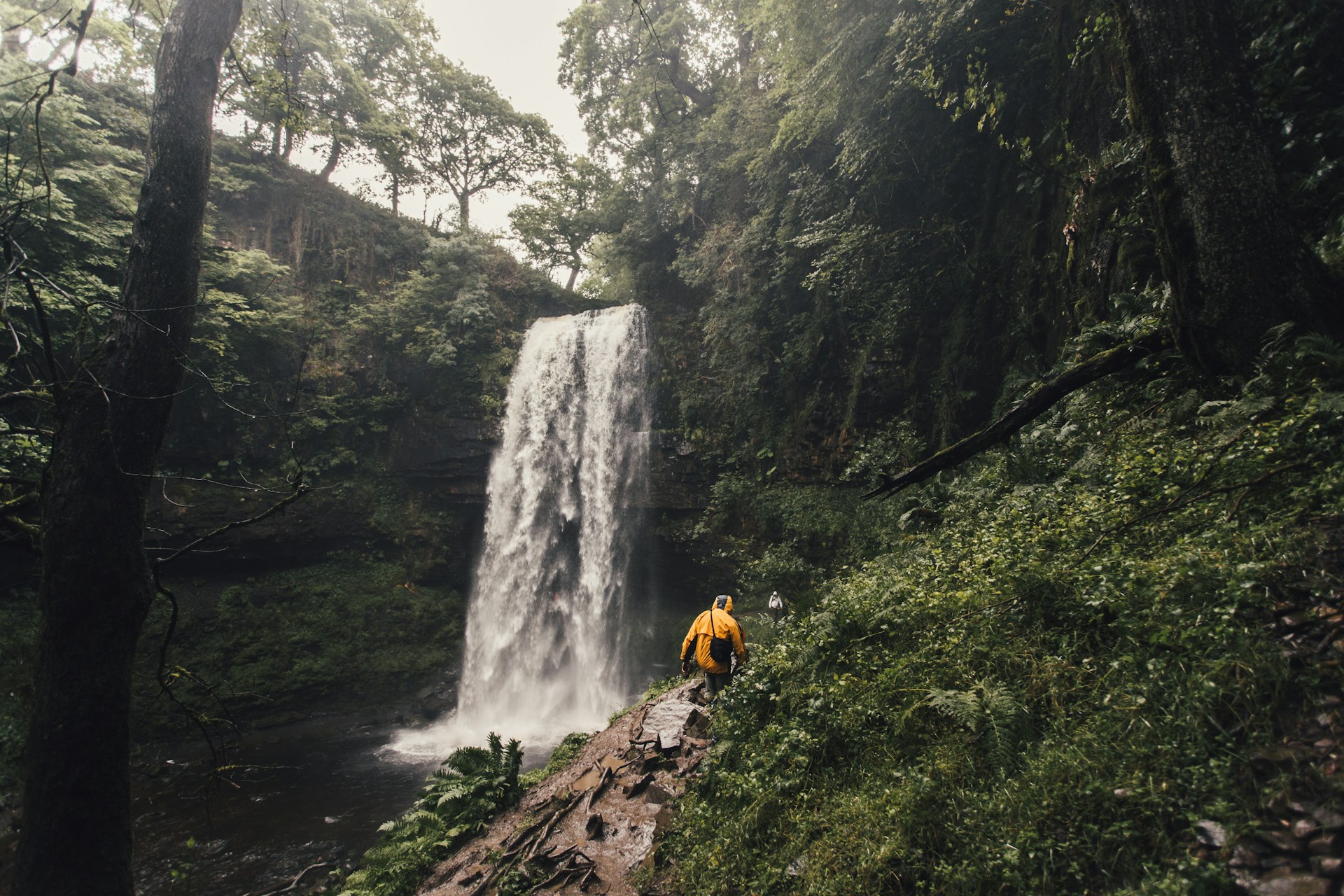
Photo by Jonny Gios on Unsplash