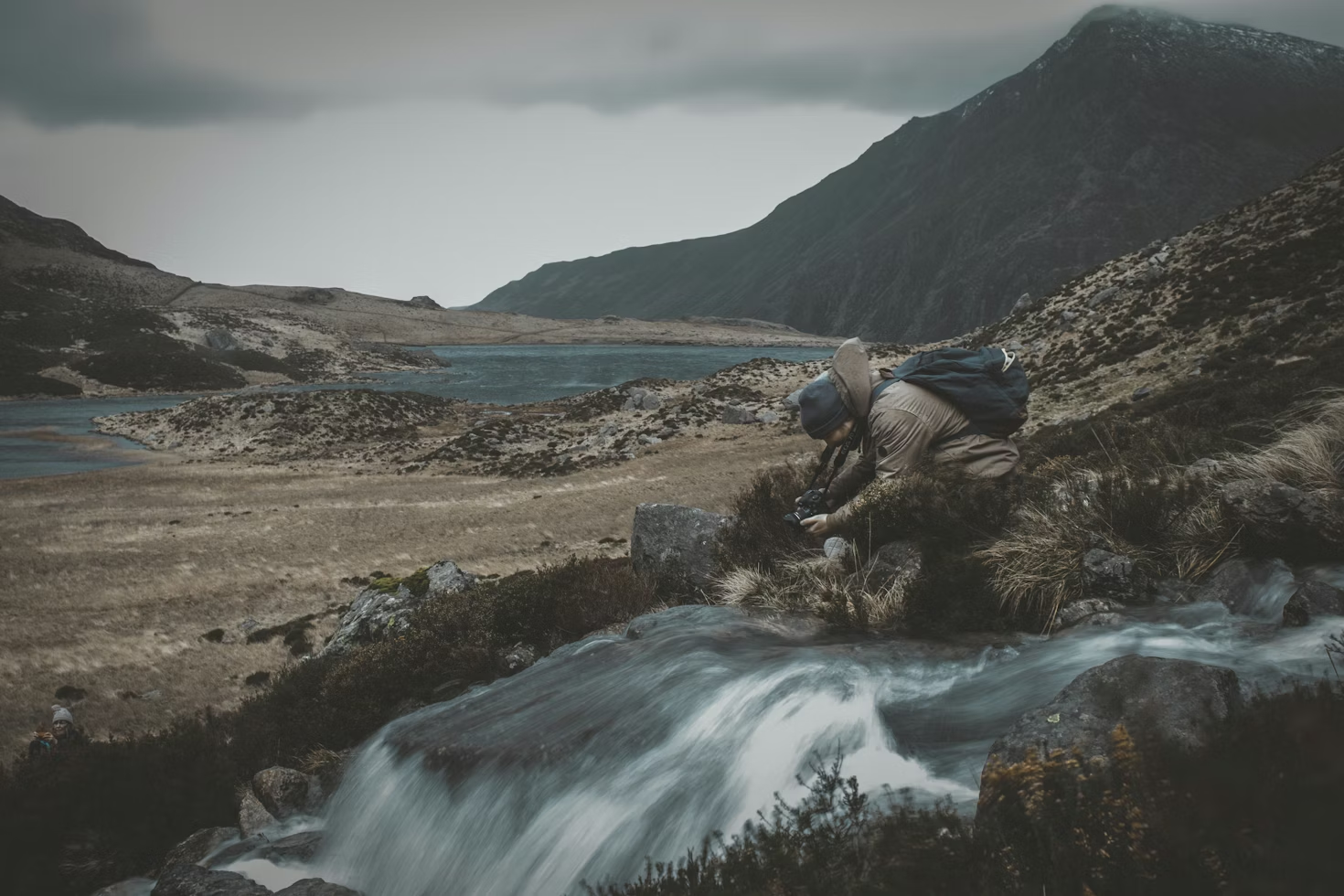
A beginner-friendly guide to Peak District peaks, focusing on clear paths, manageable ascents and rewarding views for first-time peak baggers.

The Peak District is one of the best places in the UK to start peak bagging. It offers variety without intimidation, clear paths without complexity, and rewarding views without long, exhausting days. For beginners, the landscape encourages steady progress and confidence rather than speed or endurance.
Peaks here are not about height. They are about position, shape and experience. With the right choices, your first summits can feel purposeful, achievable and enjoyable, setting a strong foundation for future walks.
This guide focuses on beginner-friendly Peak District peaks that build confidence and introduce different terrain types without unnecessary difficulty.
Beginner-friendly peaks share practical characteristics rather than a specific height.
They have clear, well-defined paths and straightforward navigation in good conditions. Ascents are short to moderate and do not rely on scrambling or exposed moves. Access is simple, often with nearby parking or transport links. Most importantly, they offer a clear sense of arrival, whether through a summit, ridge or edge with rewarding views.
Conditions still matter. Wind, ice and poor visibility can change the character of any walk, so judgement remains essential even on easier routes.
There is no fixed order to follow. Start with shorter walks, repeat peaks in different conditions, and gradually build confidence. These peaks work well as standalone outings or as part of a wider Peak District visit combined with cafés, villages or scenic valleys.
Revisiting familiar peaks is a strength, not a setback. Each return builds familiarity with terrain, pacing and decision-making.
Gentle gradients, open views and clear routes make these peaks ideal starting points.
Mam Tor
Approximate height: 517 metres
Area: Hope Valley
Why it suits beginners: Short ascent, well-maintained paths and constant views along the ridge.
Typical time required: 1.5 to 3 hours
Difficulty: Easy
Route style: Circular
Mam Tor is often a first Peak District summit for good reason. It delivers a clear ridge walk with immediate reward and minimal complexity.
Bamford Edge
Approximate height: 424 metres
Area: Dark Peak
Why it suits beginners: A clear route to a dramatic edge with minimal distance.
Typical time required: 2 to 3 hours
Difficulty: Easy
Route style: Out and back or circular
Bamford Edge introduces gritstone terrain and edge walking without committing to a long day.
Curbar Edge
Approximate height: 371 metres
Area: Eastern Edges
Why it suits beginners: Wide paths, gentle ascent and expansive views.
Typical time required: 2 to 3 hours
Difficulty: Easy
Route style: Linear or circular
Curbar Edge offers space and perspective while remaining accessible and forgiving.
These peaks offer clearer summits and shorter ascents in a contrasting limestone landscape.
Thorpe Cloud
Approximate height: 287 metres
Area: Dovedale
Why it suits beginners: A short, steep climb with a defined summit and clear paths.
Typical time required: 1 to 2 hours
Difficulty: Easy to moderate
Route style: Out and back
Thorpe Cloud provides a strong sense of achievement in a compact walk.
Shining Tor
Height: 559 metres
Area: South West Peak
Why it suits beginners: Clear routes, gradual ascent and a recognisable summit.
Typical time required: 2.5 to 3.5 hours
Difficulty: Easy to moderate
Route style: Circular
Shining Tor feels like a traditional summit without the commitment of longer moorland days.
Chrome Hill
Approximate height: 425 metres
Area: White Peak
Why it suits beginners: Distinctive ridge with flexible, short route options.
Typical time required: 2.5 to 3.5 hours
Difficulty: Moderate
Route style: Circular
Shorter routes on Chrome Hill allow beginners to experience ridge walking at a comfortable pace.
Many beginner-friendly peaks also suit limited time windows. Mam Tor, Thorpe Cloud and Bamford Edge can all be completed comfortably within a few hours, making them ideal for early starts, travel days or first outings.
Short walks still build familiarity and confidence when chosen carefully.
Early mornings are often quieter and calmer, particularly on popular routes. Avoid high winds on edges and ridges, as exposure can feel more challenging than expected. After rain or frost, limestone paths can be slippery and require extra care.
Seasonal daylight is important. In winter, aim for shorter routes and generous time margins.
Underestimating wind and weather is a frequent issue. Popularity can create a false sense of security. Rushing routes reduces enjoyment and increases risk. Descents are often harder than ascents and deserve just as much attention.
Taking time to pause, assess and adjust plans is part of becoming confident.
After your first few peaks, begin to increase distance rather than height. Try linking ridges or edges together. Mix short days with slightly longer ones. Introduce simple navigation skills on clear paths before moving onto open moorland.
Confidence grows through repetition, not rushing.
This guide suits new walkers, returning walkers rebuilding confidence, families with older children, and visitors new to the Peak District. It also works for experienced walkers looking for relaxed days that still feel purposeful.
Track your first Peak District peaks, build confidence over time, and create a personal peak bagging record with Peaky Baggers.
The Peak District does not demand experience before it gives reward. Start with the right peaks, move at your own pace, and confidence develops naturally. These beginner-friendly summits are not stepping stones to something better. They are worthwhile destinations in their own right, and the beginning of a long, rewarding relationship with the hills.