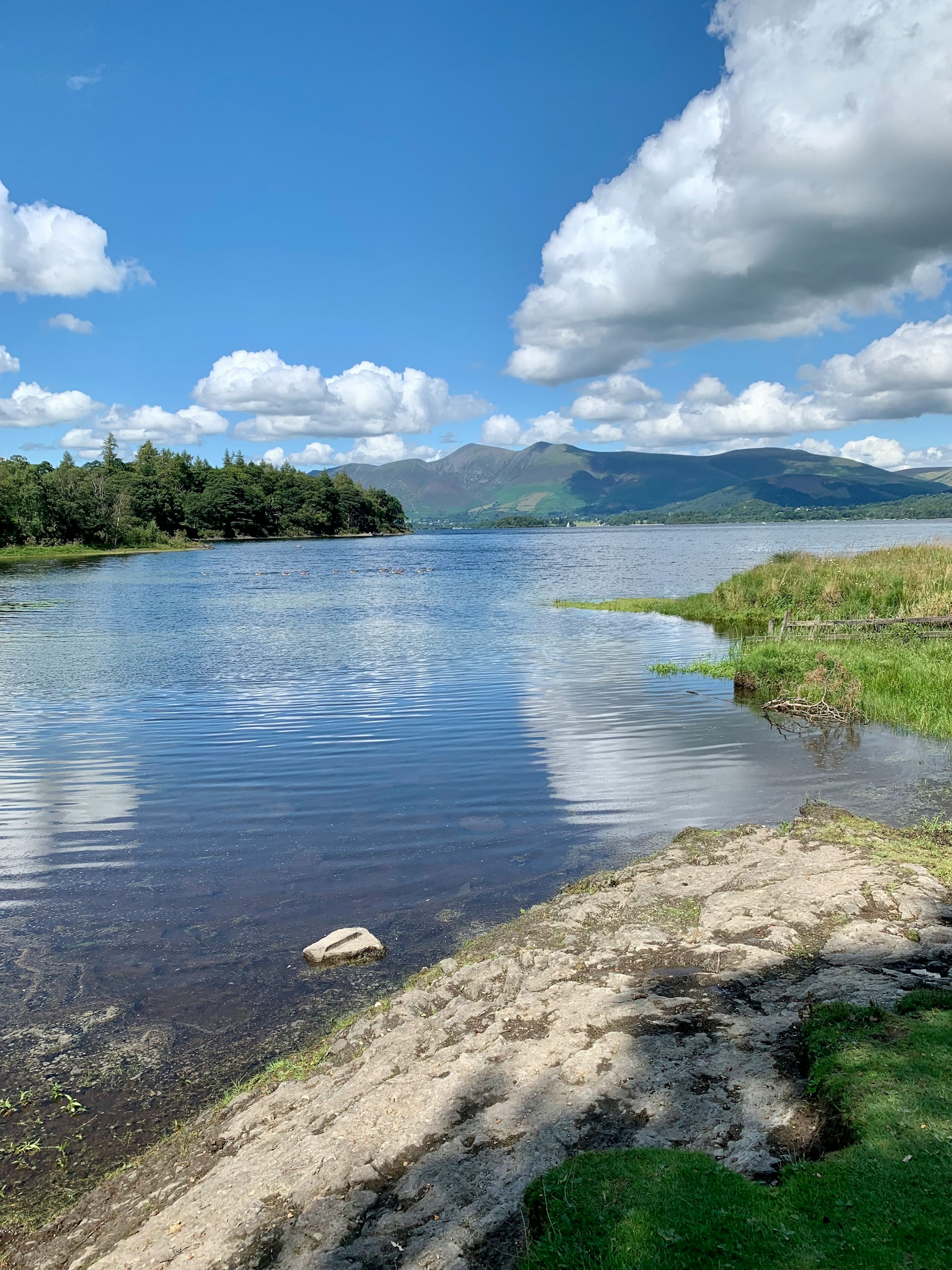
Discover lesser-known Wainwrights in the Lake District that are worth climbing, with quieter routes, underrated views and rewarding summits away from the busiest fells.

Some Wainwrights shout for attention.
Catbells, Helvellyn, Scafell Pike, Blencathra and Great Gable all have big reputations. They are famous for a reason, and they are absolutely worth climbing when the time is right.
But they are not the whole Wainwright story.
Some Wainwrights are quieter, less obvious and often overshadowed by nearby bigger fells. They might not appear on every first-time walker list. They might not have dramatic ridges or packed summit photos. They might even be the ones people leave until later when they are working through the full 214.
But lesser-known does not mean less rewarding.
In fact, some of the best Wainwright days are the ones you did not expect much from.
These are the fells that give you quieter paths, different views and that lovely feeling of discovering a corner of the Lake District that most people have skipped.
A lesser-known Wainwright is usually one that sits away from the busiest routes or gets overshadowed by a more famous neighbour.
It might be close to a big-name fell, tucked away on the edge of the map, or simply less dramatic at first glance. It may be well known to Wainwright baggers, but not to casual visitors who are heading straight for the classic routes.
Lesser-known Wainwrights are often:
That last point matters.
Lesser-known does not always mean easier. Some quieter Wainwrights need more planning than the popular ones. Routes may be less obvious, parking may be limited and you may not have a steady stream of people to follow.
But if you choose the right day and plan properly, they can be some of the most satisfying fells to bag.
Because they often surprise you.
A lesser-known Wainwright might not have the instant drama of Striding Edge or the classic profile of Catbells, but it can still give you a brilliant day out.
These fells are great if you want:
They also help you see the Lake District differently.
The famous fells are brilliant, but the quieter ones often show you the bits in between. The valleys, ridges, side roads, hidden viewpoints and unexpected summit moments that make the full Wainwright journey feel like more than just a checklist.
Best for: underrated lake views
Start point: Thackthwaite / Loweswater area
Difficulty: Easy to moderate
Low Fell is one of those Wainwrights that makes you wonder why it is not busier.
It sits above Loweswater and gives excellent views towards Crummock Water, Loweswater and the western fells. For the effort involved, the reward is genuinely impressive.
It is quieter than many classic lake-view peaks, probably because it sits away from the busiest Lake District areas. Many walkers head straight for Buttermere, Haystacks or the bigger western fells instead.
But Low Fell is well worth your time.
It has peaceful paths, lovely views and a calmer feel than many of the better-known viewpoints. It is a great choice if you want lake views without the crowds.
Low Fell is away from the most obvious tourist routes and is often overshadowed by the more famous western fells.
The views are excellent for the effort. It is quiet, scenic and much more rewarding than its low-key reputation suggests.
Save Low Fell for good visibility. The views are the main reward, and they are absolutely worth waiting for.
Best for: a short, peaceful Wainwright
Start point: Matterdale / Brownrigg Farm area
Difficulty: Easy to moderate
Great Mell Fell is a rounded, peaceful fell in the north-eastern Lakes.
It is often ignored by walkers heading towards Ullswater’s better-known routes, but it is a lovely option if you want a quieter half-day walk.
The climb is not especially long, but the fell feels open and spacious. From the summit, you get wide views across the surrounding countryside and towards the bigger fells.
Great Mell Fell is not dramatic in the way that some Lake District peaks are dramatic. It is calmer than that. It is the sort of walk that gives you space to breathe and a satisfying summit without too much fuss.
It is close to more famous Ullswater-area walks, so many people drive past it without giving it much thought.
It is short, peaceful and gives good views for a relatively manageable effort.
Check the wind before you go. Great Mell Fell is open and exposed, so a calm day makes a big difference.
Best for: a quick, overlooked summit
Start point: The Hause / Matterdale area
Difficulty: Easy
Little Mell Fell is often treated as a quick tick rather than a proper walk.
And, to be fair, it can be a quick tick. It is short, simple and not one of the most dramatic Wainwrights in the Lake District.
But that does not mean it is not worth climbing.
Little Mell Fell gives good views towards Ullswater and the surrounding fells, and it works well as a confidence-builder if you want something away from the busiest areas.
It also pairs naturally with Great Mell Fell, making it a useful option if you are building your Wainwright count without taking on a huge day.
It is small, understated and often seen as one for Wainwright completists rather than a destination in its own right.
It is quick, quiet and more satisfying than people give it credit for, especially on a clear day.
If you are pairing it with Great Mell Fell, check parking and route logistics before you go. The walking is simple enough, but the planning still matters.
Best for: a gentle quiet walk
Start point: Wythop / near Bassenthwaite
Difficulty: Easy
Sale Fell is a gentle, grassy Wainwright near Bassenthwaite.
It is often overlooked in favour of Skiddaw, Dodd or the bigger northern fells, but it is a lovely walk in its own right.
The route is manageable, the views are pleasant and the whole walk has a relaxed feel. It is a good choice if you want a quieter Wainwright that still feels rewarding without being too demanding.
From the top, you get lovely views over Bassenthwaite and the surrounding fells. It is not a huge mountain day, but that is part of its charm.
Sale Fell is also a good option if you are starting to explore quieter Wainwrights for the first time.
Nearby bigger fells attract more attention, and Sale Fell is often treated as a small side tick.
It is gentle, quiet and beginner-friendly, with good views for the effort involved.
Sale Fell can be paired with Ling Fell if you have time, but it works perfectly well on its own for a relaxed short walk.
Best for: peaceful northern Lakes walking
Start point: Wythop / Eskin area
Difficulty: Easy
Ling Fell is another quiet Wainwright in the north-western Lakes.
It is rounded, grassy and open, with a simple feel that makes it easy to overlook. It does not have the drama of the bigger fells, but it does have peace, space and good views for relatively little effort.
This is a great choice if you want to avoid the busier walking areas and enjoy a calmer day out.
Ling Fell works well alongside Sale Fell, but there is no need to force a double summit if you just want a shorter, easier outing.
It is less dramatic than the famous nearby fells and sits away from the main Lake District hotspots.
It is quiet, open and satisfying. Sometimes that is more than enough.
Pick a clear, calm day. Ling Fell is open, so poor visibility or strong wind can make it feel less friendly than expected.
Best for: quieter walking near Windermere
Start point: Troutbeck / Dubbs Road / Limefitt area
Difficulty: Easy to moderate
Sour Howes is one of the quieter Wainwrights near Windermere and Troutbeck.
It is often skipped in favour of Wansfell, Loughrigg or the bigger Kentmere routes. That is understandable, because Sour Howes is not the most dramatic fell in the Lakes.
But it is still worth climbing if you enjoy peaceful, grassy walking and want to explore beyond the obvious southern Lakes routes.
It is a good choice for Wainwright baggers who have done the popular nearby peaks and want something a little calmer.
It is overshadowed by more popular nearby walks and does not have a dramatic summit profile.
It is quiet, gentle and useful for building your Wainwright count while exploring a less busy part of the southern Lakes.
Navigation can be less obvious than on popular routes, so download your route and choose a clear day if possible.
Best for: pairing with Sour Howes
Start point: Troutbeck / Kentmere side
Difficulty: Easy to moderate
Sallows is another understated Wainwright near Windermere.
Like Sour Howes, it is more about peaceful walking than dramatic summit drama. It is often climbed as part of a route with Sour Howes, which makes sense if you are ticking off the Wainwrights and want to make the outing feel more complete.
The walking is generally grassy and open, with pleasant views in good conditions. It is not one of those fells that shouts for attention, but it still has its place in the Wainwright journey.
For walkers who enjoy quieter routes, Sallows is a worthwhile tick.
It is a low-key fell near more famous southern Lakes walks and is often only noticed by Wainwright baggers.
It is peaceful, useful for pairing with Sour Howes and a good way to explore quieter ground near Windermere.
Sallows is best in clear weather. The terrain can feel vague in poor visibility, so make navigation easy for yourself.
Best for: a quieter edge-of-the-map Wainwright
Start point: Scawgill Bridge / Whinlatter side
Difficulty: Moderate
Graystones sits on a quieter edge of the Wainwright area and often gets missed by walkers focused on the central fells.
It is not the most polished walk in the Lakes. The ground can be boggy or rough in places, and the route can feel less obvious than the busier paths around Keswick or Ambleside.
But if you are happy with something quieter and a little rougher around the edges, Graystones is worth climbing.
On a clear day, it gives good open views and a peaceful walking experience away from the crowds.
It is tucked away from the classic Lake District routes and does not have the same obvious pull as better-known fells.
It offers quiet walking, open views and a proper sense of being away from the busy areas.
Expect the ground to be less neat and tidy than on popular routes. Good footwear and a downloaded route are very useful here.
Best for: quiet north-western fell walking
Start point: Whinlatter / Aiken Beck area
Difficulty: Moderate
Broom Fell is often climbed as part of a group of quieter north-western Wainwrights rather than as the main event.
That does not make it unworthy. It just means it tends to sit quietly in the background while the more famous routes get all the attention.
In good weather, Broom Fell offers pleasant open walking and a quiet summit experience. It can be linked with Lord’s Seat and Graystones, making it useful for walkers working through the list.
In poor visibility, though, it can feel a bit bleak, so it is worth choosing your day carefully.
It is less famous, less dramatic and often included as part of a wider Wainwright tidy-up rather than a standalone goal.
It gives you quiet walking, useful summit links and a different side of the north-western Lakes.
Go in clear conditions if you can. Broom Fell is much more enjoyable when you can see the surrounding fells and follow the route confidently.
Best for: forest-edge walking and quieter views
Start point: Whinlatter Forest
Difficulty: Moderate
Lord’s Seat is a good option if you want a quieter walk with a mix of forest tracks and open fell.
It sits above Whinlatter and can be linked with Broom Fell and Barf, giving you several route options depending on your time and confidence.
The walk has a different feel from many classic Lake District routes. The forest sections add variety, while the open summit gives views across the surrounding fells in good weather.
Lord’s Seat is not as famous as the main Keswick-area walks, but it is a useful and rewarding Wainwright if you want something quieter.
Walkers near Keswick often head for Catbells, Skiddaw, Walla Crag or the Newlands fells instead.
It gives a varied route, quieter paths and good options for linking nearby Wainwrights.
Plan your route carefully. Forest tracks and fell paths can create lots of options, which is helpful but easy to muddle.
Best for: a quieter fell near Braithwaite
Start point: Braithwaite / Newlands Valley
Difficulty: Easy to moderate
Barrow is a brilliant little fell near Braithwaite.
It is often overshadowed by Catbells, Causey Pike and Grisedale Pike, but it is well worth climbing if you want a quieter walk close to Keswick.
The views over the Newlands Valley are excellent, and the route feels manageable without being too tiny. Barrow is a good confidence-building Wainwright if you are ready to move beyond the easiest starter fells but do not want a big mountain day.
It can also be linked with Stile End or Outerside if you want a longer outing.
It sits among more famous neighbours, so many walkers head for the bigger names nearby.
It gives excellent views, a proper summit feel and a quieter alternative to the more popular Keswick-area routes.
Barrow is a good choice when Catbells feels too busy. You still get a satisfying walk with strong views, but usually with a calmer feel.
Best for: quieter Newlands views
Start point: Braithwaite / Newlands Valley
Difficulty: Moderate
Outerside is another good option in the Newlands and Coledale area.
It is often overlooked beside bigger routes like Grisedale Pike, Causey Pike and the Coledale Horseshoe, but it has plenty to offer.
The walk gives a proper fell feel, good views and a quieter experience than some of the more famous routes nearby. It can also be linked with Barrow, Stile End or Causey Pike depending on your plan.
Outerside is a useful Wainwright for building confidence around Keswick because it feels more substantial than the easiest walks, but not as committing as the bigger ridge days.
It is surrounded by more dramatic and better-known fells, so it often becomes part of a route rather than the main target.
It gives you quieter Newlands views, a satisfying summit and good linking options.
Use Outerside as a stepping stone between easier fells and bigger Keswick-area routes. It is a good confidence-builder.
Best for: a quieter Skiddaw-side summit
Start point: Dash Falls / Peter House Farm area
Difficulty: Moderate
Bakestall is often overshadowed by Skiddaw, which is understandable.
When one of the Lake District’s biggest and most famous mountains is nearby, a quieter side summit can easily get ignored.
But Bakestall is worth climbing if you want a quieter northern fell experience. It gives good views, open walking and a different perspective on the Skiddaw area.
It is more serious than the easiest lesser-known Wainwrights, so it needs decent weather, route planning and respect for the conditions.
Skiddaw dominates the area, and many walkers focus on the main summit rather than the quieter surrounding fells.
It offers a quieter way to explore the northern fells and gives you a satisfying summit away from the busiest Skiddaw routes.
Choose a clear day and check the wind. The open northern fells can feel much more serious in poor conditions.
Best for: short climb with Ullswater views
Start point: Glenridding
Difficulty: Easy to moderate
Glenridding Dodd is often skipped because the surrounding area has so many bigger names.
Helvellyn, Catstye Cam, Sheffield Pike and Place Fell all tend to pull more attention, but Glenridding Dodd is a very worthwhile shorter walk.
The route is short but steep in places, and the views over Ullswater are excellent for the effort involved. It is a good option when the higher fells are not suitable or when you want a smaller walk with a strong reward.
It is also a useful confidence-builder if you are staying around Glenridding or Patterdale and want something less demanding than the big routes nearby.
It sits beneath much bigger and more famous fells, so many walkers pass it by on the way to larger objectives.
It gives excellent Ullswater views, a proper little climb and a satisfying summit without needing a full mountain day.
Do not be fooled by the short distance. The climb can feel steep, so take it steadily.
Best for: a short, underrated Patterdale walk
Start point: Patterdale
Difficulty: Easy to moderate
Arnison Crag is a lovely underrated fell above Patterdale.
It is often overshadowed by Place Fell, Helvellyn and St Sunday Crag, but it gives excellent views over Ullswater and the surrounding valley.
The walk is shorter than many of the big routes nearby, but it is steep enough to feel satisfying. That makes it a good half-day option, especially if the higher fells are not the right choice for the weather or your energy levels.
Arnison Crag is a great reminder that the smaller fells can still deliver a proper Lake District view.
The bigger Patterdale and Ullswater fells attract most of the attention, leaving Arnison Crag as a quieter option.
It is short, rewarding and gives brilliant views over Ullswater and Patterdale.
Use Arnison Crag as a lower-level alternative when the higher routes look too windy, cloudy or committing.
If you want to choose based on where you are staying, here are some good places to start.
These are good options if you want quieter walking away from the busiest central routes.
These give you alternatives to the more famous Keswick-area fells like Catbells, Skiddaw and Walla Crag.
These are useful if you want Ullswater-area walks without immediately heading for Helvellyn or Place Fell.
These are quieter southern Lakes Wainwrights, ideal if you are building your list beyond Wansfell and Loughrigg.
Low Fell is the standout for views, but the western fells have plenty of quieter options if you are happy to explore beyond the obvious names.
Not every lesser-known Wainwright is right for every walker, so it helps to choose based on confidence.
If you want quieter but still approachable options, try:
These are shorter and less intimidating than many bigger fells, though conditions still matter.
If you have done a few walks and want something more substantial, look at:
These give you a good balance of reward, peace and manageable challenge.
For walks that feel a little more involved, try:
These are better for walkers who are comfortable with route planning and less obvious terrain.
If you want lesser-known Wainwrights with strong views, choose:
These are all good examples of quieter fells that give more back than you might expect.
Some of these fells may not look dramatic at first glance.
A few are grassy. Some are rounded. Some are quiet because, honestly, they are not the most exciting-looking hills on the map.
But that does not make them lesser walks.
The reward might be peace, space, a new view of a familiar valley, or the satisfaction of discovering somewhere you would never have visited if you were not working through the Wainwrights.
A lesser-known Wainwright can be more memorable than a busy famous one, especially when you get the summit to yourself.
These walks help you understand the Lake District beyond the postcards.
And if you are aiming for all 214, they are part of the story.
The quieter fells can sometimes need more planning because they do not always have the clear, busy paths of the popular routes.
Take extra care with:
This is not to put you off. It is just a reminder that quiet does not always mean simple.
On popular routes, you can often follow the flow of walkers. On lesser-known fells, you may need to make more decisions yourself.
Planning matters more when the route is quieter.
Before setting off, check the route properly. Look at distance, ascent, terrain, parking and possible turning points. Do not rely on just following other walkers, because there may not be any.
Download your route before you go and carry backup navigation. Phone signal can be patchy, especially in quieter areas.
Check parking carefully too. Some lesser-known Wainwrights start near narrow lanes, farms or small communities. Park sensibly and never block gates, passing places or access roads.
A simple checklist:
Quiet walks are much more enjoyable when you feel prepared.
You do not need specialist kit for every lesser-known Wainwright, but you should still take the basics.
For quieter Wainwright walks, pack:
For more remote-feeling routes, take the planning and kit up a level. If there are fewer people around, being prepared matters even more.
Go with the right expectations.
Not every lesser-known Wainwright will be dramatic. Some will be gentle, grassy, boggy, rounded or slightly odd. Some summits are more about the quiet than the view.
That is fine.
Enjoy them for what they are.
Look for views during the route, not just at the summit. Take your time with navigation. Pair nearby fells when it makes sense, but do not turn every walk into a forced box-ticking exercise.
Use quieter walks to build confidence. They are great for practising route planning, decision-making and walking without crowds.
And try not to compare every hill to the famous ones.
A lesser-known Wainwright does not need to be Helvellyn to be worth your time.
If you are new to lesser-known Wainwrights, build up gradually.
A sensible progression might look like this:
This is not a strict order. Choose based on where you are staying, the forecast and how confident you feel.
The idea is to start with shorter, easier lesser-known fells, then build towards more remote-feeling, rougher or more navigationally involved walks.
One quiet summit at a time is more than enough.
The lesser-known Wainwrights might not always be the ones people talk about first, but they can be some of the most satisfying.
They give you quieter paths, unexpected views and a stronger sense of discovering the Lakes for yourself.
Some will surprise you. Some will quietly overdeliver. Some may simply be another useful tick on the way to the full 214.
But they all count.
And every so often, one of the Wainwrights you nearly skipped becomes one of the walks you remember most.
Bagged one of the lesser-known Wainwrights?
Use Peaky Baggers to log your summits, track your progress and keep building your Lake District list beyond the obvious peaks.
Photo by Benjamin Wainman on Unsplash