Discover lesser-known Pennine peaks across the North Pennines and surrounding uplands with quiet summit walks and remote hill landscapes.

The Pennines are often described as the backbone of England. Stretching from the Peak District in the south to the Cheviot Hills in the north, this long chain of uplands forms one of the country’s most distinctive landscapes.
While some Pennine summits are well known, much of the range remains surprisingly quiet. Compared with the Lake District or Snowdonia, the Pennines receive far fewer visitors despite covering a vast area of upland terrain.
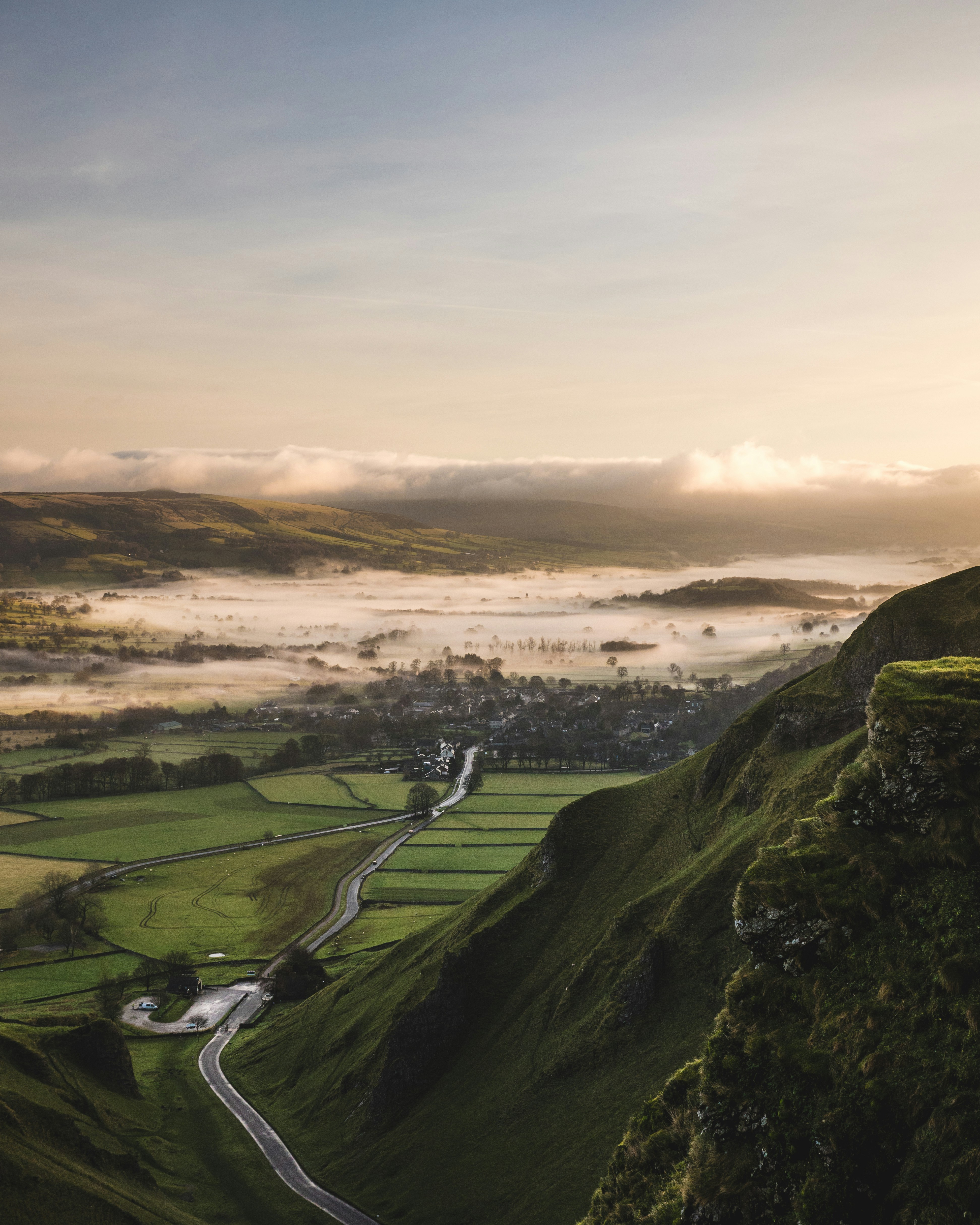
Many Pennine hills are broad and rounded rather than steep and dramatic. These landscapes may appear subtle at first glance, but they reward walkers with huge skies, wide horizons and a powerful sense of space.
Exploring lesser-known Pennine peaks is one of the best ways to experience the character of these hills. Away from the most famous summits, the Pennines reveal a quieter and more atmospheric side of northern England.
Several factors influence whether a Pennine summit becomes widely known.
Peaks located near famous mountains often receive less attention even if they offer excellent views. Other hills sit deep within moorland landscapes where longer approaches naturally reduce visitor numbers.
The character of the terrain also plays a role. Many Pennine summits form broad plateaus rather than sharp peaks, which means they attract fewer walkers looking for dramatic climbs.
These lesser-known hills often provide the most peaceful walking experiences in the Pennines.
Height: 842 metres
Area: North Pennines
Why it is lesser known: Often overshadowed by nearby Cross Fell
What makes it worthwhile: One of the highest summits in the Pennines with wide views across northern England
Typical walking time: 5 to 6 hours
Difficulty: Moderate
Route style: Circular
Little Dun Fell forms part of the high Pennine ridge and is often climbed alongside Cross Fell. Despite its height it receives far fewer visitors than the highest peak in the range.
Height: 747 metres
Area: County Durham
Why it is lesser known: Located away from the most popular Pennine walking routes
What makes it worthwhile: The highest point in County Durham with expansive views
Typical walking time: 4 to 5 hours
Difficulty: Moderate
Route style: Circular
Burnhope Seat sits within the broad uplands of the North Pennines and provides a quiet summit experience.
Height: 794 metres
Area: Cumbria
Why it is lesser known: Overshadowed by Cross Fell and Great Dun Fell
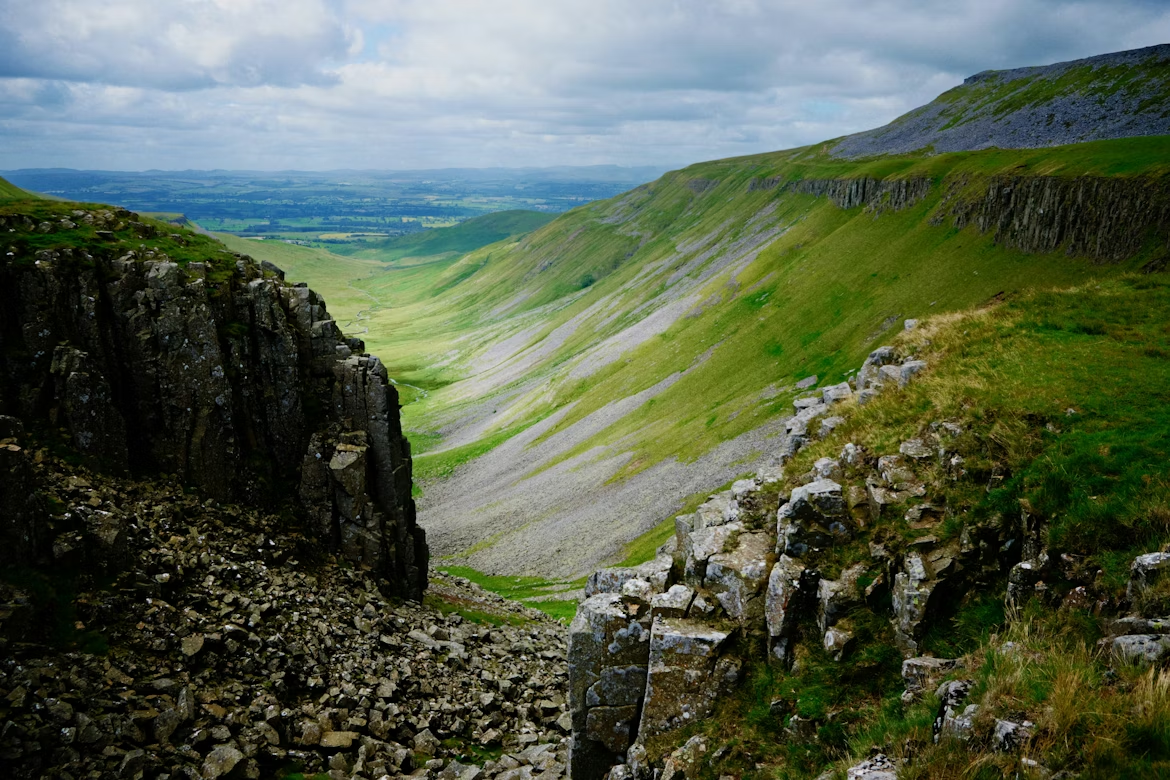
What makes it worthwhile: Excellent views across the dramatic High Cup Nick valley
Typical walking time: 4 to 5 hours
Difficulty: Moderate
Route style: Circular
Knock Pike offers one of the best viewpoints in the Pennines, overlooking the striking glacial valley of High Cup Nick.
Height: 788 metres
Area: North Pennines
Why it is lesser known: Remote location and limited access points
What makes it worthwhile: One of the highest Pennine summits with a strong sense of isolation
Typical walking time: 6 to 7 hours
Difficulty: Moderate
Route style: Out and back
Mickle Fell provides one of the most remote walking experiences in England. Its broad summit plateau reflects the character of the Pennine uplands.
Height: 621 metres
Area: Western Pennines
Why it is lesser known: Located away from major walking areas
What makes it worthwhile: Wide views across the western Pennines and surrounding valleys
Typical walking time: 4 to 5 hours
Difficulty: Moderate
Route style: Circular
Cold Fell rises above the western edge of the Pennines and offers excellent viewpoints across the surrounding landscape.
Height: 674 metres
Area: Cumbria
Why it is lesser known: Often overlooked by walkers heading to High Cup Nick
What makes it worthwhile: A quiet summit overlooking one of the most dramatic valleys in the Pennines
Typical walking time: 4 to 5 hours
Difficulty: Moderate
Route style: Circular
Murton Fell provides a quieter alternative to nearby viewpoints while still offering impressive scenery.
Height: 662 metres
Area: Northern Pennines
Why it is lesser known: Located away from major tourist areas
What makes it worthwhile: Famous stone cairns and wide summit views
Typical walking time: 4 to 5 hours
Difficulty: Moderate
Route style: Circular
Nine Standards Rigg sits near the northern end of the Pennines and forms part of the Coast to Coast walking route.
Height: 672 metres
Area: Northern Pennines
Why it is lesser known: Located in quiet uplands above Arkengarthdale
What makes it worthwhile: Expansive views across the northern Pennines
Typical walking time: 4 to 5 hours
Difficulty: Moderate
Route style: Circular
Rogan’s Seat offers a peaceful summit experience and a strong sense of space.
Height: 481 metres
Area: Eden Valley
Why it is lesser known: A smaller hill overshadowed by higher Pennine summits
What makes it worthwhile: One of the best viewpoints across the Eden Valley
Typical walking time: 2 to 3 hours
Difficulty: Easy to moderate
Route style: Circular
Dufton Pike stands prominently above the village of Dufton and provides excellent views across the surrounding landscape.
Height: 704 metres
Area: Border of Yorkshire Dales and Pennines
Why it is lesser known: Often overlooked compared with the Three Peaks
What makes it worthwhile: A high summit with wide views across several northern landscapes
Typical walking time: 4 to 5 hours
Difficulty: Moderate
Route style: Circular
Great Whernside forms part of the transition between the Pennines and the Yorkshire Dales.
The Pennines often experience strong winds and rapidly changing weather conditions. Clear days following cold fronts often provide the best visibility across the uplands.
Spring and autumn are often the best seasons for walking these hills. Summer offers longer daylight hours but can bring hazy conditions.
Winter walking in the Pennines can be rewarding but requires careful planning due to exposure and weather conditions.
Many Pennine peaks sit along long ridges or broad plateaus, making them ideal for linking together in a single walk.
The high ridge near Cross Fell allows several summits to be climbed in one day, while other areas provide excellent circular routes across upland terrain.
Weekend trips are often the best way to explore multiple Pennine peaks while allowing time to appreciate the scale of the landscape.
These hills are ideal for walkers seeking quieter landscapes and wide open spaces. They appeal particularly to experienced hill walkers who are comfortable navigating across moorland terrain.
Peak baggers exploring beyond the most famous mountains will find the Pennines full of rewarding summits.
Track lesser-known Pennine peaks, record your summit climbs and build your personal peak bagging list with Peaky Baggers.
The Pennines reveal their character slowly. Away from the highest summits and busiest routes, the hills become quieter and more expansive. Exploring these lesser-known peaks allows walkers to experience the landscape in its most atmospheric form.