February 13, 2026

Kinder Scout & Surrounding Peaks

A complete guide to Kinder Scout and surrounding Peak District peaks — the plateau, edges and defining summits that shape the Dark Peak landscape.

Why Kinder Scout Is the Heart of the Dark Peak

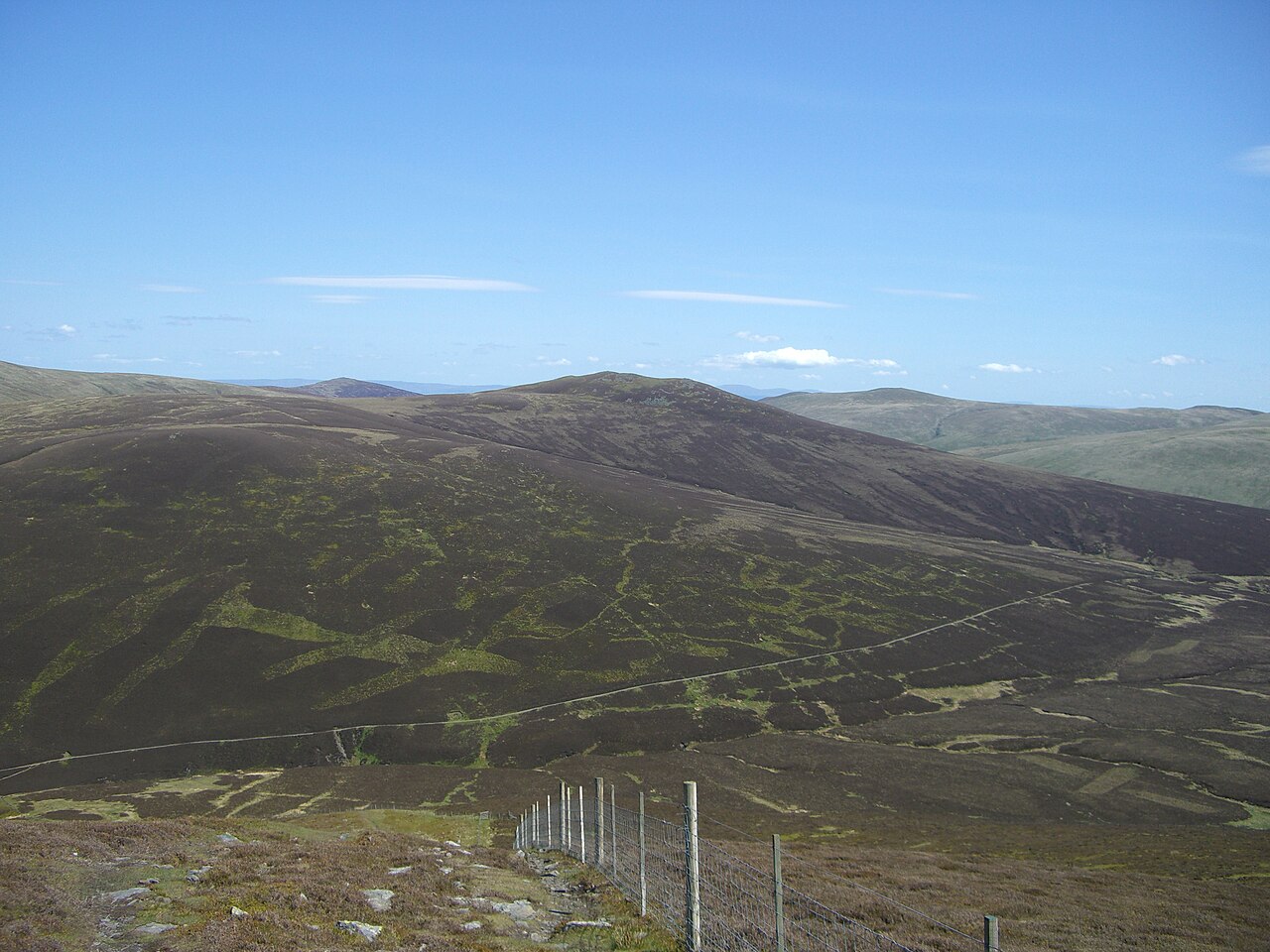
Kinder Scout sits at the centre of the Peak District’s identity. It is the highest point in the National Park, but more importantly, it is its wildest. The plateau dominates the Dark Peak, shaping the weather, the walking style and the mindset required to move confidently across it.

Unlike a single-point summit, Kinder Scout is a broad, complex upland. Its surrounding edges and knolls form a natural ring of viewpoints and navigational anchors. Bagging Kinder properly means understanding this wider landscape, not just standing at the trig point.

This guide focuses on Kinder Scout and the surrounding peaks that naturally belong with it, helping you experience the Dark Peak as a connected whole.

Understanding Kinder Scout’s Landscape

Kinder Scout is defined by scale rather than shape.

  • A high peat plateau dissected by cloughs and erosion
  • Gritstone edges forming clear breaks in the terrain
  • Subtle rises rather than dramatic summits
  • Rapid weather changes and limited shelter

Paths exist, but they fade, reappear and diverge. Navigation, judgement and patience matter here more than speed.

What Counts as a “Kinder Peak”?

For this guide, Kinder peaks include:

  • The highest points of the plateau
  • Prominent edges that frame the upland
  • Distinct knolls and features commonly linked in day walks
  • Peaks that logically belong to Kinder circuits from Edale or Snake Pass

This excludes distant Dark Peak hills such as Bleaklow, which deserve their own focus.

Kinder Scout & Surrounding Peaks

Kinder Scout Plateau

The high, exposed heart of the Dark Peak.

Kinder Scout

  • Height: 636m
  • Type: Plateau
  • Why it matters: The highest point in the Peak District and its defining landscape.
  • Typical time to include: 5–7 hours (as part of a circuit)
  • Difficulty: Moderate
  • Route style: Circular

Kinder Scout is not about a summit moment. It is about crossing, navigating and understanding a vast upland environment.

Kinder Downfall

  • Height: ~620m
  • Type: Plateau edge feature
  • Why it matters: The dramatic northern escarpment of Kinder.
  • Typical time to include: Built into northern circuits
  • Difficulty: Moderate
  • Route style: Traverse

In strong winds, the Downfall can blow back upwards, a reminder of how exposed this landscape can be.

Pym Chair

  • Height: ~630m
  • Type: Plateau feature
  • Why it matters: One of the most recognisable rock formations on Kinder.
  • Typical time to include: Plateau crossings
  • Difficulty: Moderate
  • Route style: Traverse

Pym Chair provides a rare sense of place in an otherwise subtle landscape.

Northern & Eastern Edges

Natural viewpoints that frame the plateau and help with orientation.

Fairbrook Naze

  • Height: 633m
  • Type: Edge
  • Why it matters: Clear views into the Upper Derwent Valley.
  • Typical time to include: Northern Kinder circuits
  • Difficulty: Moderate
  • Route style: Circular

Fairbrook Naze is one of the best places to appreciate the scale of the plateau from outside it.

Seal Stones

  • Height: 636m
  • Type: Edge and outcrop
  • Why it matters: A distinctive marker near the northern rim of Kinder.
  • Typical time to include: Longer plateau days
  • Difficulty: Moderate
  • Route style: Traverse

Seal Stones feels remote despite its proximity to Snake Pass.

Southern & Western Features

Steeper ground and classic approaches from Edale.

Ringing Roger

  • Height: 540m
  • Type: Knoll
  • Why it matters: A popular southern viewpoint over Edale.
  • Typical time to include: Shorter Kinder circuits
  • Difficulty: Easy to Moderate
  • Route style: Circular

Ringing Roger is often quieter than nearby routes and offers excellent valley views.

Crookstone Knoll

  • Height: 571m
  • Type: Knoll
  • Why it matters: A clear plateau feature useful for navigation.
  • Typical time to include: Central Kinder routes
  • Difficulty: Moderate
  • Route style: Traverse

Crookstone Knoll is a practical waypoint rather than a dramatic summit.

Classic Ways to Link Kinder Peaks

Kinder Scout works best as a circuit, not an out-and-back walk.

Common approaches include:

  • Edale village circuits via Grindsbrook or Jacob’s Ladder
  • Northern loops from Snake Pass
  • Edge-first routes followed by a plateau crossing
  • Plateau-first routes with an edge return

Each option offers a different balance of ascent, exposure and navigation.

Difficulty & Navigation Notes

Kinder Scout demands respect even on calm days:

  • Paths are intermittent and often misleading
  • Peat hags and waterlogged ground slow progress
  • Visibility can drop suddenly
  • Wind exposure is constant on the plateau

Navigation skills matter here more than fitness.

Best Time to Explore Kinder Scout

  • Spring: Drier underfoot, clearer views
  • Summer: Longer days but busier paths
  • Autumn: Strong atmosphere and colour
  • Winter: Serious conditions without alpine terrain

Early starts dramatically improve the experience year-round.

Track Kinder Peaks with Peaky Baggers

Log Kinder Scout and surrounding peaks, track plateau crossings, and build a complete Dark Peak bagging record with Peaky Baggers.

Final Thought

Kinder Scout is not a single summit to be collected. It is a landscape to be understood. Bag the surrounding peaks and edges, and the Dark Peak begins to reveal its scale, subtlety and quiet seriousness.

Photo by Greg Willson on Unsplash

Related posts

Classic Ridge Walk Peaks in Snowdonia
Snowdonia

Classic Ridge Walk Peaks in Snowdonia

Snowdonia Peaks for Confident Beginners
Snowdonia

Snowdonia Peaks for Confident Beginners

Our Favourite Sunrise Summits
Guides

Our Favourite Sunrise Summits