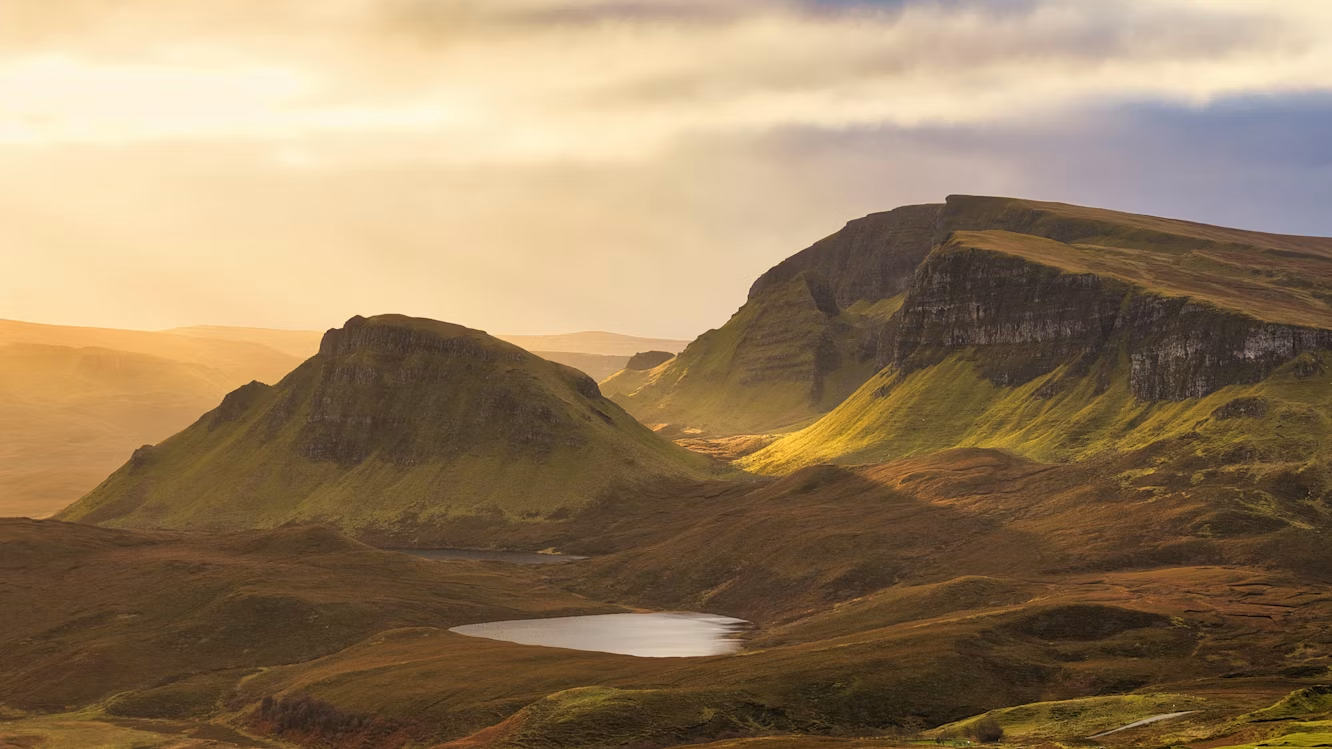
Discover Assynt’s most dramatic peaks, from Suilven and Stac Pollaidh to Quinag, Canisp, Cul Mòr and other unforgettable mountains in Scotland’s north-west.
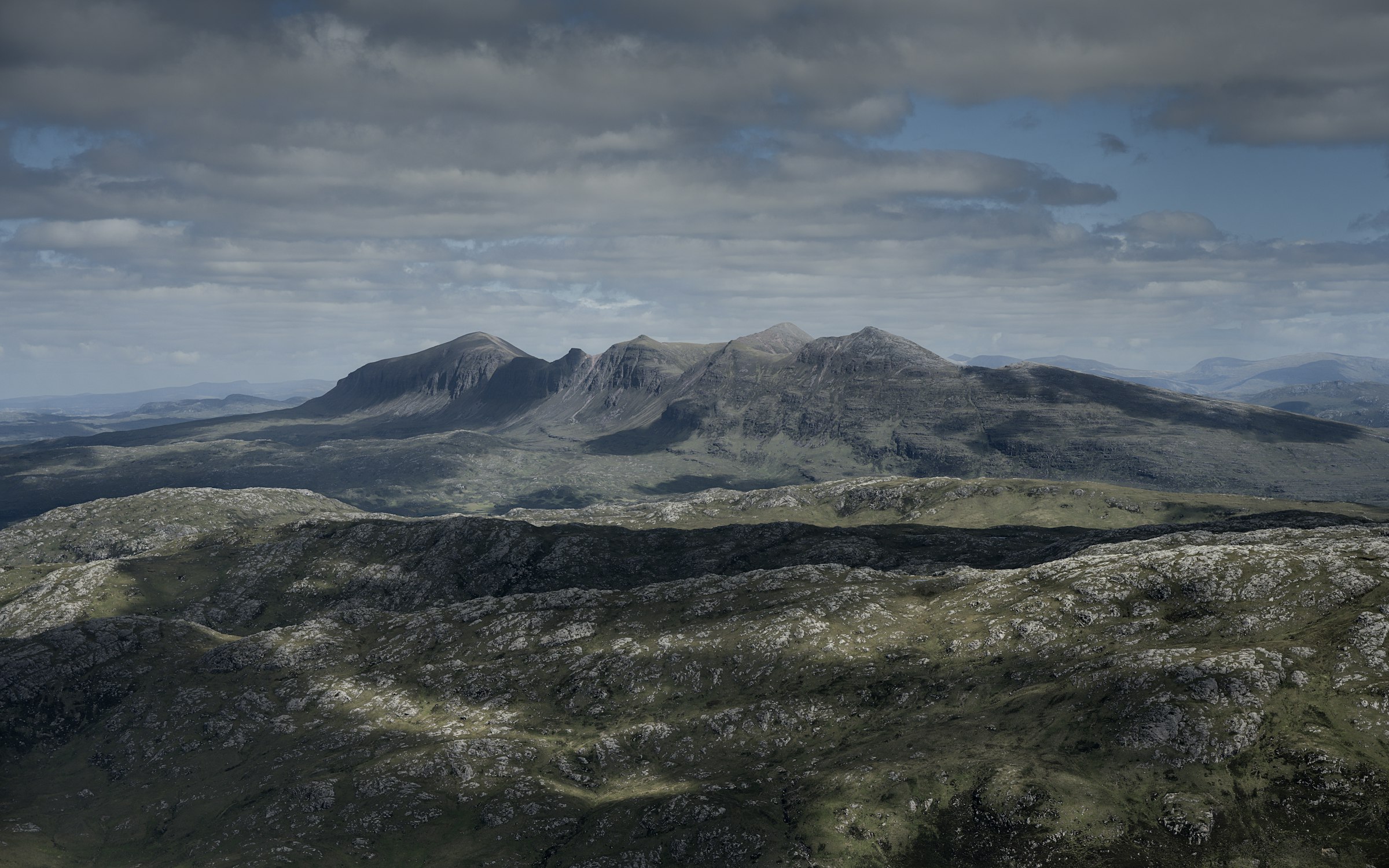
Assynt is what happens when Scotland decides height is overrated and shape is everything.
This is a landscape of isolated mountains, scattered lochs, wild moorland, rocky ridges and coastline that seems to appear exactly where it will look most dramatic.
The peaks here are not always the highest in Scotland. Many are not Munros. Some are Grahams, Corbetts, Marilyns or smaller viewpoint hills. But for sheer mountain character, Assynt is hard to beat.
Suilven. Stac Pollaidh. Quinag. Canisp. Cul Mòr. Cul Beag.
Even the names sound like they should come with dramatic lighting.
For peak baggers, Assynt is brilliant because it rewards curiosity. It is not just about chasing height. It is about shape, isolation, atmosphere and those huge north-west views across lochs, sea and moorland.
But Assynt is not always easy.
Routes can be rough, wet, rocky, boggy and remote. Distances on the map can be misleading. The weather can change quickly. A hill that looks modest on paper can still give you a proper day out.
Assynt’s hills may not all be towering giants, but the bog has a habit of adding its own mileage.
Assynt is brilliant because the mountains feel so individual.
In many Scottish mountain areas, peaks form long ridges or ranges. In Assynt, the hills often stand apart, rising dramatically from open moorland, lochs and wild coastline. That makes them feel sculptural, recognisable and slightly unreal.
For peak baggers, the area offers:
Assynt is perfect if you like mountains with character.
Not just height.
Suilven is not a Munro, but it has more personality than many much taller hills. Stac Pollaidh is short by Scottish mountain standards, but its jagged ridge looks like it has been designed by someone who got carried away. Quinag gives a big, multi-summit mountain day without needing Munro status.
This is peak bagging with drama rather than spreadsheet energy.
Although, obviously, you can still log it.
Assynt is beautiful, but it can be slow-going.
Approaches are often rough, wet or boggy. Paths can be faint, rocky or eroded. Some hills involve steep ground, loose sections or awkward summit areas. Navigation can become difficult in mist or poor visibility, especially on quieter routes.
The area also feels remote.
Roads, facilities and help may be further away than you are used to. Mobile signal can be unreliable. Weather can change quickly. Shorter hills can still feel serious if the conditions turn against you.
Do not judge effort by height alone.
A small hill with a wet, pathless approach can still make your legs question your decision-making skills.
Take proper kit, check the forecast, know your route and give yourself more time than the distance suggests.
Assynt rewards flexible plans.
And dry socks, where possible.
Best for: Scotland’s most iconic isolated mountain
Location: Near Lochinver
Hill type: Graham
Difficulty: Hard
Suilven is one of Scotland’s most recognisable mountains.
It rises from the Assynt landscape with a shape so distinctive it hardly seems real. Long, low, ridged and dramatic, it looks like a mountain that has absolutely no interest in blending in.
Despite being a Graham rather than a Munro, Suilven feels like a major mountain day.
Part of that is the approach. Reaching the hill involves a long walk through wild, open country, which adds to the sense of occasion. By the time you start climbing properly, it already feels like you have earned the view.
The summit views are outstanding. Lochs, moorland, coastline and the surrounding Assynt peaks spread out in every direction. On a clear day, it is one of the finest viewpoints in Scotland.
Suilven is not technically the highest thing around.
It just behaves like the main character.
Its isolated profile, long ridge and wild setting make it one of the most unforgettable mountains in Scotland.
Start early and respect the approach. Suilven is not just a climb, it is a full journey.
Best for: big drama from a shorter hill
Location: Inverpolly / north of Ullapool
Hill type: Graham / lower peak
Difficulty: Moderate to hard depending on route
Stac Pollaidh is proof that a mountain does not need to be huge to be spectacular.
It is shorter than many surrounding hills, but its jagged ridge and rocky crest give it a level of drama that most taller peaks would be delighted with.
The main walking route offers enormous views across Assynt, Coigach, lochs, sea and surrounding mountains. It is popular, accessible and very photogenic, but it still feels like a proper hill.
The true summit is a different matter.
Reaching the highest point involves scrambling and should only be attempted by those with the right experience and conditions. Many walkers enjoy the main route and viewpoints without needing to push onto the true top.
And that is perfectly fine.
Stac Pollaidh gives plenty of drama without requiring heroics.
The jagged ridge, rocky skyline and huge views make Stac Pollaidh one of the most visually striking small mountains in Scotland.
Know the difference between the main walking route and the true summit. One is much more accessible than the other.
Best for: multi-summit Assynt ridge day
Location: North Assynt / near Kylesku
Hill type: Corbett with multiple tops
Difficulty: Hard
Quinag is one of Assynt’s great mountain days.
It is bigger, broader and more complex than some of the area’s more isolated sculptural peaks. Instead of one obvious shape, Quinag gives you a full multi-summit experience with ridges, tops, changing views and a strong sense of scale.
For peak baggers, it is a brilliant objective.
The mountain has several dramatic tops, including Sail Gharbh, and offers huge views over north-west Sutherland, lochs, coast and surrounding hills.
It feels like a proper expedition, even though it is not a Munro.
That is Assynt all over.
Lower on paper. Huge in reality.
Quinag combines ridge walking, multiple summits, wild views and a big mountain feel in one outstanding Corbett route.
Allow plenty of time. Quinag is not a quick up-and-down hill, especially if you want to enjoy the full route.
Best for: Suilven views and lonely summit atmosphere
Location: East of Lochinver
Hill type: Corbett
Difficulty: Hard
Canisp may not have the instantly recognisable shape of Suilven, but it has one of the best views of it.
This broad, rocky Corbett sits close enough to Suilven to give superb views of its famous profile, while also offering a quieter and more spacious Assynt hill day.
The walk has a lonely feel. The ground can be rough, wet and slow, and the mountain asks for a bit of commitment. But the reward is a summit that gives a brilliant sense of the surrounding landscape.
Canisp is a great choice for experienced walkers who want a quieter Assynt objective and a different perspective on the area’s most famous hill.
The drama comes from its wild setting, rocky terrain and outstanding views towards Suilven.
Choose a clear day if you can. Canisp is at its best when Suilven is visible across the landscape.
Best for: classic Assynt Corbett views
Location: Near Knockan Crag / Elphin
Hill type: Corbett
Difficulty: Hard
Cul Mòr is one of the great Assynt Corbetts.
It is bigger and rounder than Stac Pollaidh, but it still has a strong sense of drama, especially because of the views it offers. From the hill, you can look towards Stac Pollaidh, Suilven, Cul Beag and the scattered lochs that make this landscape so distinctive.
The route feels spacious and satisfying, with a good sense of height and position.
It is less crowded than Stac Pollaidh, but still very rewarding. For Corbett baggers, Cul Mòr is one of the essential Assynt objectives.
Cul Mòr gives big, open views across some of Assynt’s most iconic hills and lochs.
This is a strong choice if you want a proper Corbett day with classic Assynt scenery but fewer crowds than Stac Pollaidh.
Best for: quieter drama near Stac Pollaidh
Location: Inverpolly / near Loch Lurgainn
Hill type: Graham
Difficulty: Moderate to hard
Cul Beag is often overshadowed by Stac Pollaidh and Cul Mòr.
Which feels a bit unfair, because in most other places it would get far more attention.
It has strong Assynt character, excellent views of nearby peaks and a quieter feel than the better-known hills. From the right angles, it gives superb views towards Stac Pollaidh, Cul Mòr and the surrounding lochs.
The approach can be boggy, and the route may feel rougher than expected, but that is part of the Assynt experience.
Cul Beag is a good choice if you want classic scenery without joining the busiest routes.
It gives striking views of Assynt’s most recognisable hills from a quieter and more understated summit.
Expect wet ground. Assynt bog likes to introduce itself early and stay involved.
Best for: Assynt’s highest mountain
Location: East of Inchnadamph
Hill type: Munro
Difficulty: Hard / very hard
Ben More Assynt is the highest mountain in Assynt and a major objective for Munro baggers.
It has a different feel from the sculptural western peaks. This is more of a big mountain day, often linked with Conival, with rocky ground, exposure to weather and a serious sense of scale.
The route requires proper planning and good conditions.
In clear weather, the summit gives excellent views over Assynt and beyond. In poor visibility, the terrain can feel much more serious, and navigation becomes important.
Ben More Assynt may not have the instantly famous outline of Suilven or Stac Pollaidh, but it is one of the area’s most significant mountain objectives.
It is Assynt’s highest mountain and offers a serious Munro day with wide views over the north-west Highlands.
Do not treat it as just another Munro tick. This is a big, rough mountain day and deserves a good forecast.
Best for: Munro approach and ridge to Ben More Assynt
Location: Inchnadamph
Hill type: Munro
Difficulty: Hard
Conival is often climbed with Ben More Assynt, creating one of the main Munro routes in the area.
The approach through the Inchnadamph landscape gives the walk a strong sense of place, with limestone scenery, open ground and mountain views building as you climb.
Conival is less visually iconic than Suilven or Stac Pollaidh, but it matters for Munro baggers and gives a proper mountain experience.
The route can be long and serious, especially if continuing to Ben More Assynt. Weather, navigation and energy levels all matter.
Conival gives access to one of Assynt’s biggest Munro routes and offers a strong sense of scale above Inchnadamph.
If linking it with Ben More Assynt, make sure the full day works for the weather, daylight and group energy.
Best for: limestone landscape and quieter hillwalking
Location: Inchnadamph / Assynt limestone area
Hill type: Corbett
Difficulty: Moderate to hard
Breabag is a quieter Corbett near Inchnadamph and offers something a little different from the headline Assynt peaks.
The surrounding limestone landscape gives the area a distinctive feel, and the hill provides good views towards Ben More Assynt and across the wider Assynt landscape.
This is not one of the most famous peaks in the region, but it is a worthwhile option for walkers who enjoy quieter routes and less obvious objectives.
The terrain can be rough, and navigation can matter more than on busier paths.
The combination of limestone scenery, quiet hillwalking and views towards Assynt’s higher mountains gives Breabag its appeal.
Choose Breabag when you want a quieter, more exploratory hill day away from the famous skyline peaks.
Best for: quieter Assynt summit near Inchnadamph
Location: Near Inchnadamph
Hill type: Corbett
Difficulty: Moderate to hard
Glas Bheinn is another quieter Assynt Corbett that works well for walkers looking beyond the famous names.
It offers good views towards Quinag, Ben More Assynt and the surrounding landscape, with a more peaceful feel than routes such as Stac Pollaidh or Suilven.
This is a strong option for Corbett baggers and anyone who likes quieter hills where the reward is space as much as summit drama.
Rough ground is likely, and route planning matters.
Glas Bheinn gives quieter Assynt views and a strong sense of remoteness near Inchnadamph.
This is a good hill for a day when you want solitude more than spectacle.
Best for: lonely lower Assynt hill
Location: Near Loch Assynt / Lochinver area
Hill type: Graham / Marilyn-style hill
Difficulty: Moderate
Beinn Uidhe is a lower and quieter hill, but it still belongs in an Assynt peak-bagging guide because of the views and atmosphere.
It is not a headline mountain. It is not likely to be the hill on every postcard. But it offers solitude, loch views and a strong sense of the surrounding landscape.
The ground can be rough and wet, and the hill may feel harder than its height suggests.
That is very on-brand for Assynt.
Beinn Uidhe is a good option for walkers who want to move beyond the obvious list and enjoy a quieter day.
Its drama is quieter, coming from solitude, open moorland, loch views and the surrounding Assynt skyline.
Do this when you want space rather than a famous summit.
Best for: Stac Pollaidh views from a quieter angle
Location: Inverpolly / near Stac Pollaidh
Hill type: small hill / Marilyn
Difficulty: Moderate
Meall an Fheadain is a smaller hill with a very useful talent: it gives excellent views towards Stac Pollaidh and the surrounding Inverpolly landscape.
It is not a major peak, but it has a strong effort-to-view ratio, especially for photographers. If you want a quieter angle on one of Assynt’s most famous mountains, this is a good choice.
The route can still be rough underfoot, and the ground may be wet, but it works well as a shorter Assynt day.
Not every dramatic view needs a major summit.
Sometimes you just need to stand in the right place.
Meall an Fheadain offers big views of Stac Pollaidh and the surrounding lochs from a smaller, quieter hill.
Keep it in mind for photography days, shorter walks or when bigger hills are hidden in cloud.
Best for: lower-level Assynt drama
Location: Inverpolly / near Stac Pollaidh and Cul Beag
Hill type: lower viewpoint area
Difficulty: Easy to moderate depending on route
Assynt’s drama is not limited to summits.
The views around Loch Lurgainn are some of the best lower-level mountain scenes in the area, with Stac Pollaidh, Cul Beag and Cul Mòr creating a classic Assynt skyline.
This is a good option for days when the tops are in cloud, the wind is too strong or your legs have politely asked for something less ambitious.
Lower-level routes and viewpoints around this area can still feel spectacular, especially in changing light.
For photographers, this is prime territory.
The combination of loch, mountain shapes and open landscape gives huge visual reward without needing a summit day.
Do not dismiss lower viewpoints. In Assynt, the best photo of a mountain is often taken from another hill, a lochside or a patch of suspiciously damp grass.
Best for: Quinag summit detail and ridge interest
Location: Quinag massif
Hill type: Corbett tops
Difficulty: Hard
Sgorr Tuath and Sgorr Deas help give Quinag its multi-top character.
These summits and ridge sections add interest to the wider mountain, creating a route that feels varied and substantial rather than a simple single-summit walk.
The views north and west are excellent, and the changing shape of the route gives experienced walkers plenty to enjoy.
They are not usually treated as casual standalone objectives, but they are part of what makes a full Quinag day so memorable.
They add ridge interest, changing views and summit variety to one of Assynt’s best mountain routes.
Think of Quinag as a full mountain system rather than one simple summit.
Best for: the main Corbett summit on Quinag
Location: Quinag
Hill type: Corbett summit
Difficulty: Hard
Sail Gharbh is the highest summit of Quinag and the main Corbett top of the mountain.
It offers strong views across Assynt and north-west Sutherland, with a huge sense of space from the summit. As part of a multi-summit Quinag route, it gives the day a clear peak-bagging focus.
This is a rewarding objective for experienced walkers and one of the most important summits in the area.
Reaching it requires good route planning, especially if combining multiple tops.
Sail Gharbh gives the highest point on Quinag and some of the best wide-open views in north Assynt.
If doing a longer Quinag route, keep an eye on time and energy. The mountain has a habit of being bigger than expected.
Assynt has a lot of variety, so it helps to choose based on the kind of walk you want.
For the classic Assynt skyline, look at:
These are the hills that make Assynt feel so distinctive.
For longer, more serious objectives, consider:
These routes need proper planning, fitness and good conditions.
For big views without the longest day, try:
These are great when you want drama but not a full expedition.
Good Assynt Corbetts include:
They may not be Munros, but they have plenty of mountain character.
Strong Graham options include:
Assynt is especially good at proving that Grahams can be unforgettable.
For photo potential, look at:
The light, lochs and isolated mountain shapes make Assynt one of Scotland’s best photography areas.
For quieter days, try:
These routes are useful when you want Assynt atmosphere without the busiest paths.
Some Assynt hills are best saved until your fitness, navigation and conditions are right.
Take extra care with:
Assynt hills may not all be Munros, but they are not soft options.
Rough ground, remoteness and weather can make a “smaller” hill feel much bigger than expected.
And then there is the bog.
The bog always has notes.
If you want the icon, choose Suilven, but only if you are ready for the long day.
If you want short drama, choose Stac Pollaidh.
If you want a big ridge-style day, look at Quinag.
If you want a great Suilven viewpoint, choose Canisp.
If you want classic Corbett views, try Cul Mòr.
If you want something quieter, consider Cul Beag, Breabag or Glas Bheinn.
If you want Munro bagging, look at Ben More Assynt and Conival.
If you want a shorter photo day, try Meall an Fheadain or the Loch Lurgainn viewpoints.
The best first Assynt peak depends on your experience, the forecast and how much bog negotiation you are emotionally prepared for.
Expect isolated mountains rather than continuous ridges.
Expect rough, boggy approaches.
Expect rocky summits, steep ground and slower walking than the map distance suggests.
Expect huge views over lochs, sea, moorland and distant hills.
Expect weather that changes quickly.
Expect midges in season, because apparently the views needed a small flying tax.
Expect fewer facilities and longer drives.
Expect a strong sense of remoteness.
And expect the landscape to stay in your head long after the walk ends.
Assynt is not always easy walking, but it is deeply memorable. The hills feel individual, the views feel vast and the light can make the whole place look completely ridiculous in the best possible way.
For Assynt hills, take proper walking kit, even if the summit is not especially high.
Pack:
For bigger routes, also consider:
Do not pack purely based on height.
Pack for rough ground, wet feet, changing weather and the possibility that the route may take longer than planned.
Start early for long approaches.
Do not judge effort by height alone.
Expect bog and wet ground.
Check wind as well as rain.
Avoid rocky summits in poor visibility if unsure.
Have a lower-level backup route.
Respect fragile paths and erosion.
Take your time with photography.
Plan fuel, parking and facilities.
Tell someone your route if heading somewhere remote.
Keep route plans flexible.
And give yourself permission to change the objective.
In Assynt, a lower viewpoint with clear skies can be far better than a summit in cloud, wind and mild regret.
If you are building confidence in Assynt, start with lower viewpoints and shorter hills before moving towards rougher approaches, bigger Corbetts and longer Munro days.
A sensible progression might look like this:
This is not a strict order.
Weather, route choice, fitness, navigation and confidence all matter. Some walkers may find the long approach to Suilven harder than a higher but more direct mountain. Others may prefer a bigger route with clearer paths over a shorter but boggier hill.
The aim is to build steadily.
Assynt is best enjoyed when you are not rushing, guessing or pretending your socks are still dry.
Assynt proves that mountain drama is not only about height.
Its most memorable peaks are dramatic because of shape, isolation, setting and atmosphere. Suilven, Stac Pollaidh, Quinag, Cul Mòr and Canisp are mountains that stay in your head long after the walk ends.
This is one of Scotland’s finest areas for peak bagging, especially if you like hills with personality.
Choose the right route.
Give the terrain respect.
Keep your plans flexible.
And let Assynt do what it does best: look completely ridiculous in the best possible way.
Bagged one of Assynt’s dramatic peaks?
Use Peaky Baggers to log your walks, track your summits and keep building your Scottish summit list one wild north-west view at a time.